
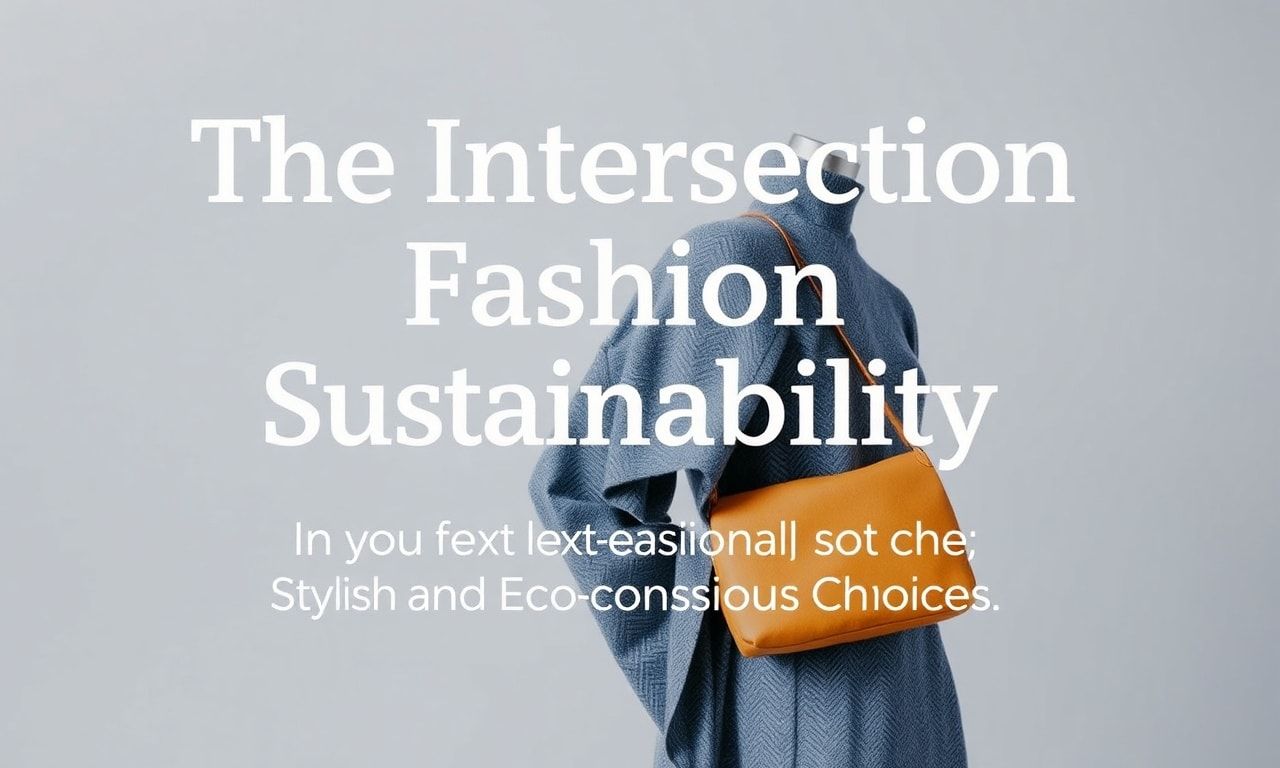
The Rise of Sustainable Fashion
The fashion industry is undergoing a significant transformation, with sustainability taking center stage. As consumers become more conscious of their environmental impact, the demand for eco-friendly fashion has surged. This shift is not just about being environmentally responsible; it’s about making a statement with your style. Sustainable fashion is no longer a niche trend but a mainstream movement that is here to stay.
Why Sustainable Fashion Matters
Sustainable fashion is about more than just using organic cotton or recycled materials. It encompasses a holistic approach to clothing production that considers the entire lifecycle of a garment. From the sourcing of raw materials to the manufacturing process and eventual disposal, every step is scrutinized for its environmental impact. This approach not only reduces waste but also promotes ethical labor practices and supports local communities.
One of the key benefits of sustainable fashion is its potential to reduce the carbon footprint of the fashion industry. The industry is one of the largest polluters globally, contributing significantly to greenhouse gas emissions. By opting for sustainable materials and practices, fashion brands can significantly reduce their environmental impact. Additionally, sustainable fashion encourages a slower, more mindful approach to consumption, which can help reduce the overall demand for new clothing.
The Role of Technology in Sustainable Fashion
Technology plays a crucial role in the advancement of sustainable fashion. Innovations in textile production, such as the development of biodegradable fabrics and dyeing techniques that use less water, are revolutionizing the industry. Furthermore, advancements in recycling technology are making it possible to create high-quality fabrics from post-consumer waste, reducing the need for virgin materials.
Online platforms and apps are also facilitating the growth of sustainable fashion. These tools make it easier for consumers to find and purchase eco-friendly clothing, as well as to learn about the environmental impact of their fashion choices. For instance, some apps provide information on the sustainability practices of different brands, helping consumers make informed decisions. Additionally, platforms that offer clothing rentals or swaps are promoting a circular economy, where clothes are used and reused rather than discarded.
Stylish and Sustainable Choices
Sustainable fashion is not about compromising on style. In fact, many sustainable brands are known for their innovative designs and high-quality craftsmanship. From chic, minimalist designs to bold, statement pieces, there is a wide range of sustainable fashion options to suit every taste and preference.
When it comes to building a sustainable wardrobe, it’s important to focus on quality over quantity. Investing in well-made, timeless pieces that will last for years is a more sustainable approach than constantly buying cheap, fast-fashion items. Additionally, choosing versatile pieces that can be easily mixed and matched can help reduce the need for a large wardrobe.
Capsule Wardrobes and Minimalism
One popular approach to sustainable fashion is the capsule wardrobe. A capsule wardrobe consists of a small collection of essential, versatile pieces that can be easily combined to create a variety of outfits. This approach not only simplifies the process of getting dressed but also promotes mindful consumption and reduces clothing waste.
Minimalism is another trend that aligns with the principles of sustainable fashion. By focusing on simplicity and functionality, minimalist fashion encourages a more intentional approach to clothing. This can involve choosing neutral colors, classic silhouettes, and high-quality fabrics that will stand the test of time.
The Future of Sustainable Fashion
The future of sustainable fashion looks bright, with more brands and consumers embracing eco-friendly practices. As awareness of the environmental impact of the fashion industry continues to grow, we can expect to see more innovations and advancements in sustainable fashion.
One area of growth is in the development of new, sustainable materials. Researchers are exploring a variety of options, from lab-grown leather to plant-based fabrics, that could revolutionize the fashion industry. Additionally, advancements in recycling technology are making it possible to create high-quality fabrics from post-consumer waste, reducing the need for virgin materials.
Another promising trend is the rise of the circular economy in fashion. This approach focuses on keeping resources in use for as long as possible, through practices such as clothing rentals, swaps, and upcycling. By extending the life of clothing, the circular economy can help reduce waste and promote more sustainable consumption patterns.
In conclusion, sustainable fashion is not just a trend but a necessary shift in the fashion industry. By embracing eco-friendly practices and making mindful choices, we can help reduce the environmental impact of fashion and promote a more sustainable future. Whether you’re a fashion enthusiast or simply looking to make more conscious choices, there are plenty of stylish and sustainable options to explore. So why not start today and make a difference with your style?
For those interested in sustainable living beyond fashion, exploring best home improvement tips for energy efficiency can also be a great way to reduce your environmental footprint.
