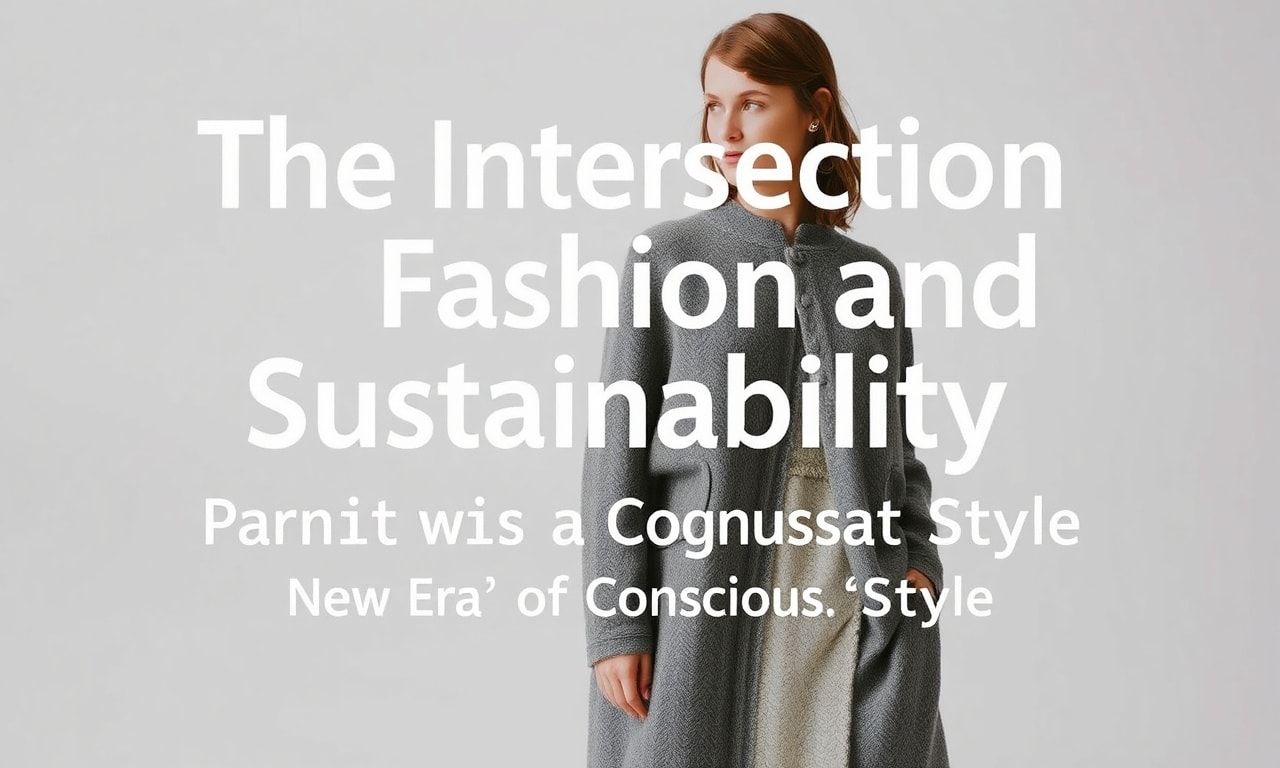
The Rise of Sustainable Fashion
The fashion industry is undergoing a significant transformation, with sustainability emerging as a key trend. As consumers become more aware of the environmental impact of their choices, there is a growing demand for eco-friendly and ethical fashion options. This shift is not just a passing fad but a fundamental change in how we approach style and consumption.
Sustainable fashion encompasses a wide range of practices, from using organic and recycled materials to promoting fair labor practices and reducing waste. Brands are increasingly adopting these principles, offering stylish and environmentally responsible alternatives to traditional fashion. This movement is reshaping the industry, making it more inclusive and mindful of its impact on the planet.
The Role of Innovation in Sustainable Fashion
Innovation plays a crucial role in the evolution of sustainable fashion. Designers and manufacturers are exploring new materials and technologies to create eco-friendly clothing. For instance, innovative fabrics made from recycled plastics, organic cotton, and other sustainable materials are gaining popularity. These advancements not only reduce the environmental footprint but also offer unique textures and styles that appeal to modern consumers.
Moreover, the integration of technology in fashion production is revolutionizing the industry. From 3D printing to digital design tools, these technologies enable more efficient and sustainable production processes. By leveraging these innovations, fashion brands can minimize waste, reduce costs, and offer customized, high-quality products to their customers.
The Impact of Fast Fashion
Fast fashion, characterized by rapid production cycles and low-cost garments, has been a significant contributor to environmental degradation. The environmental news climate update highlights the urgent need for sustainable practices in all industries, including fashion. The fast fashion model often leads to excessive waste, pollution, and unethical labor practices, which are detrimental to both the environment and society.
In response to these challenges, many consumers are turning away from fast fashion and embracing slower, more sustainable alternatives. The rise of second-hand shopping, clothing swaps, and rental services reflects a growing preference for mindful consumption. These practices not only reduce waste but also promote a more circular economy, where resources are used more efficiently and responsibly.
The Future of Sustainable Fashion
The future of fashion lies in sustainability. As awareness grows, more brands are committing to eco-friendly practices and transparent supply chains. Consumers are increasingly demanding accountability and sustainability from the brands they support, driving the industry towards a more responsible and ethical future.
Education and advocacy are also crucial in promoting sustainable fashion. By raising awareness about the environmental and social impacts of fashion, consumers can make more informed choices. Supporting brands that prioritize sustainability and advocating for policy changes can create a more sustainable and equitable fashion industry.
Styling Tips for Sustainable Fashion
Embracing sustainable fashion doesn’t mean compromising on style. Here are some tips to incorporate eco-friendly choices into your wardrobe:
- Choose Quality Over Quantity: Invest in high-quality, durable pieces that last longer and reduce the need for frequent replacements.
- Opt for Natural and Recycled Materials: Look for clothing made from organic cotton, linen, hemp, or recycled fabrics, which have a lower environmental impact.
- Support Ethical Brands: Research and support brands that prioritize sustainability and ethical practices in their production processes.
- Explore Second-Hand and Vintage Options: Shopping second-hand or vintage not only reduces waste but also adds unique, one-of-a-kind pieces to your wardrobe.
- Care for Your Clothes: Proper care and maintenance can extend the life of your clothing, reducing the need for frequent purchases.
Conclusion
The fashion industry is at a crossroads, with sustainability emerging as a defining trend of the future. As consumers become more conscious of their choices, the demand for eco-friendly and ethical fashion continues to grow. By embracing innovation, supporting sustainable brands, and making mindful choices, we can contribute to a more sustainable and equitable fashion industry. The future of fashion is not just about style but also about responsibility and sustainability.
Elevate your culinary style with the right tools, and discover how to select the ideal veggie chopper for your kitchen with our essential chopper guide.
As the world unites for a common cause, discover how the fashion industry is stepping up to the plate with global climate action initiatives that are shaping sustainable style trends.
Dive into the captivating world where fashion meets interior design with our latest feature, style in every space, and discover how to infuse your personal flair into your living areas.