
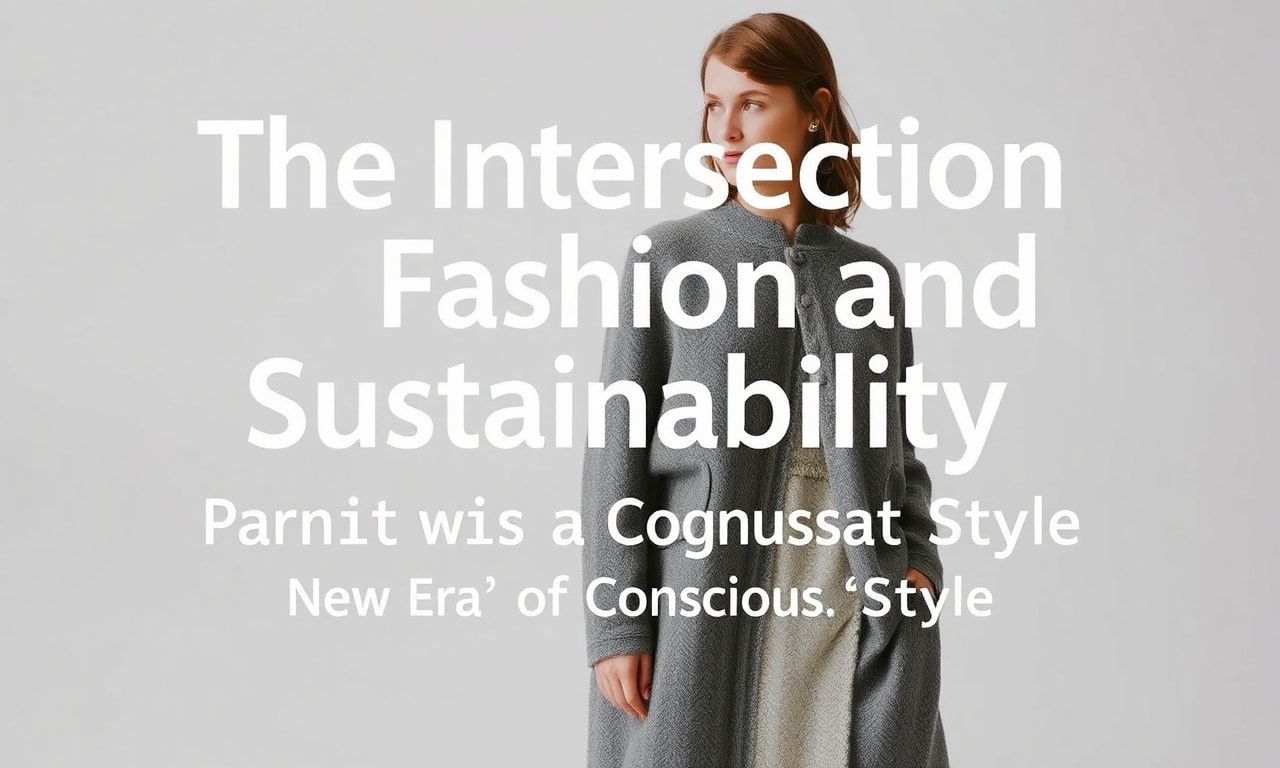
The Rise of Sustainable Fashion
The fashion industry is undergoing a significant transformation, with sustainability taking center stage. As consumers become more eco-conscious, the demand for sustainable fashion is on the rise. This shift is not just a trend but a movement towards a more responsible and ethical approach to style. Brands are now focusing on eco-friendly materials, ethical production processes, and sustainable packaging to meet the growing demand for green fashion.
The Role of Natural Fibers in Sustainable Fashion
Natural fibers play a crucial role in sustainable fashion. Materials like organic cotton, linen, hemp, and bamboo are not only environmentally friendly but also offer numerous benefits for the skin. These fibers are breathable, hypoallergenic, and biodegradable, making them ideal for those seeking a healthier and more sustainable wardrobe. Additionally, the cultivation of these fibers often involves practices that benefit the environment, such as chia seed farming for cover cropping, which helps improve soil health and reduce erosion.
Eco-Friendly Fashion Brands to Watch
Several brands are leading the way in sustainable fashion. Here are a few notable mentions:
- Patagonia: Known for its commitment to environmental activism and sustainable practices, Patagonia offers a range of outdoor clothing made from recycled materials.
- Reformation: This brand focuses on creating stylish, sustainable women’s clothing using eco-friendly fabrics and ethical production methods.
- Eileen Fisher: Eileen Fisher is renowned for her timeless designs and dedication to sustainability, using organic cotton and linen in her collections.
- People Tree: A pioneer in fair trade fashion, People Tree offers a range of clothing made from organic and sustainable materials.
The Importance of Ethical Production
Ethical production is a cornerstone of sustainable fashion. This involves ensuring fair wages, safe working conditions, and respect for workers’ rights throughout the supply chain. Brands that prioritize ethical production not only contribute to a more just society but also build trust and loyalty among consumers who value transparency and responsibility.
How to Build a Sustainable Wardrobe
Building a sustainable wardrobe is easier than you might think. Here are some tips to help you get started:
- Choose Quality Over Quantity: Invest in high-quality, timeless pieces that will last for years rather than fast fashion items that quickly go out of style.
- Opt for Natural Fibers: As mentioned earlier, natural fibers are not only better for the environment but also more comfortable and durable.
- Support Ethical Brands: Look for brands that prioritize sustainability and ethical production. Research their practices and choose those that align with your values.
- Shop Second-Hand: Thrift stores, consignment shops, and online marketplaces offer a wealth of gently used clothing at affordable prices. This is a great way to reduce waste and find unique pieces.
- Care for Your Clothes: Proper care can extend the life of your clothing. Follow washing instructions, mend items when needed, and store them properly to keep them in good condition.
The Future of Sustainable Fashion
The future of sustainable fashion looks bright. As technology advances, we can expect to see more innovative materials and production methods that minimize environmental impact. Additionally, the growing awareness and demand for sustainable fashion will continue to drive change in the industry. By embracing sustainable fashion, we can all contribute to a healthier planet and a more ethical future.
