
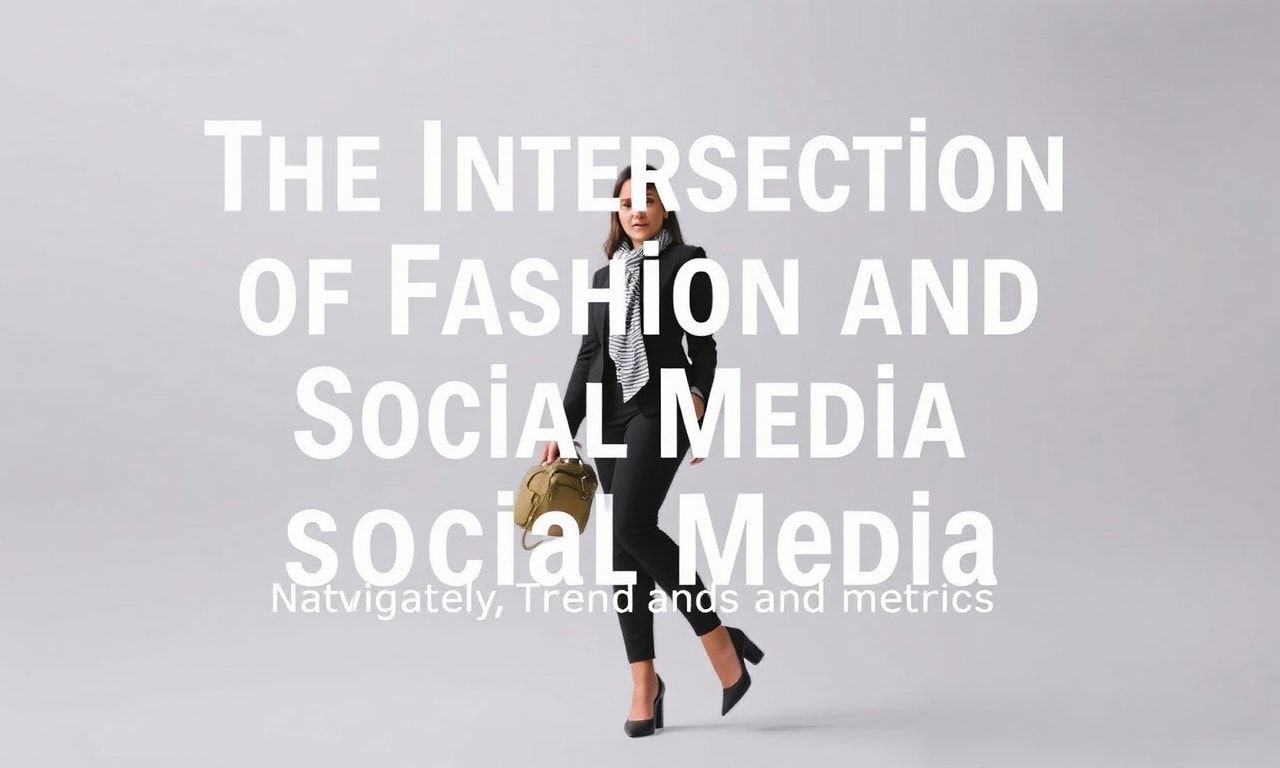
The Digital Runway: Fashion in the Age of Social Media
The fashion industry has always been at the forefront of cultural trends, but the rise of social media has transformed the way we consume, create, and critique style. Platforms like Instagram, TikTok, and Pinterest have become virtual runways, where trends are born, evolve, and sometimes die within the span of a news cycle. For fashion enthusiasts and professionals alike, understanding the dynamics of social media is crucial to staying ahead of the curve.
Understanding Social Media KPIs in Fashion
To navigate this digital landscape effectively, it’s essential to grasp the key performance indicators (KPIs) that drive engagement and growth. Metrics such as likes, shares, comments, and follower growth are just the tip of the iceberg. More nuanced indicators, like engagement rates, click-through rates, and conversion rates, provide deeper insights into audience behavior and preferences. Tools and resources like Social Media KPIs messen und analysieren can help fashion brands and influencers track and analyze these metrics to refine their strategies and maximize impact.
The Power of Influencer Collaborations
Influencer marketing has become a cornerstone of the fashion industry’s social media strategy. Collaborations with influencers who have a strong, engaged following can amplify a brand’s reach and credibility. However, not all influencers are created equal. It’s crucial to evaluate potential partners based on their audience demographics, engagement rates, and alignment with your brand’s values and aesthetic. A well-executed influencer campaign can drive significant traffic and sales, making it a worthwhile investment for fashion brands of all sizes.
Trends That Defined the Digital Runway
The digital runway is a dynamic space where trends emerge and evolve at lightning speed. Some of the most notable trends in recent years include the rise of sustainable fashion, the resurgence of vintage and thrifted clothing, and the growing popularity of gender-neutral and inclusive fashion. Social media platforms have played a pivotal role in popularizing these trends, with users sharing their unique takes on these styles and inspiring others to do the same. For fashion brands, staying attuned to these trends and adapting their offerings accordingly is key to maintaining relevance and appeal.
Building a Strong Fashion Brand on Social Media
Creating a compelling social media presence is essential for fashion brands looking to stand out in a crowded market. Consistency is key, both in terms of posting frequency and visual aesthetic. A well-defined brand identity, characterized by a cohesive color palette, typography, and imagery, can help fashion brands establish a strong, recognizable presence on social media. Additionally, engaging with followers through comments, direct messages, and user-generated content can foster a sense of community and loyalty among your audience.
The Role of User-Generated Content
User-generated content (UGC) is a powerful tool for fashion brands looking to build trust and credibility on social media. UGC refers to any content—photos, videos, reviews, etc.—created by users rather than brands. By sharing UGC on their social media channels, fashion brands can showcase their products in real-life settings, providing potential customers with a more authentic and relatable perspective. Encouraging users to create and share UGC through contests, giveaways, and branded hashtags can help fashion brands amplify their reach and engagement.
Leveraging Social Media Analytics
To make the most of their social media efforts, fashion brands should leverage analytics tools to track their performance and identify areas for improvement. By analyzing metrics such as reach, impressions, and engagement rates, brands can gain valuable insights into their audience’s preferences and behaviors. This data can inform content strategy, influencer partnerships, and advertising campaigns, ultimately driving better results and a higher return on investment. Tools like Social Media KPIs messen und analysieren can simplify this process, providing brands with the data they need to make informed decisions.
The Future of Fashion and Social Media
As social media continues to evolve, so too will its impact on the fashion industry. Emerging technologies like augmented reality (AR) and virtual reality (VR) are poised to revolutionize the way we shop and engage with fashion, offering immersive and interactive experiences that blur the line between the digital and physical worlds. Additionally, the growing emphasis on sustainability and ethical practices is shaping the future of fashion, with consumers increasingly demanding transparency and accountability from brands. For fashion professionals, staying ahead of these trends and embracing innovation will be key to thriving in the digital age.
In the fast-paced world of fashion and beauty, it’s essential to find harmony between our digital lives and personal well-being; discover how to strike that balance with our latest feature, embracing tech mindfully.
If you’re curious about how children’s fashion and style have evolved alongside their favorite films, dive into the journey of kids’ movies, a fascinating exploration of cinematic trends and their sartorial influences.
Discover how to elevate your wardrobe while making a positive impact by exploring shopping local for unique style in our latest guide.
