The Rise of Sustainable Fashion
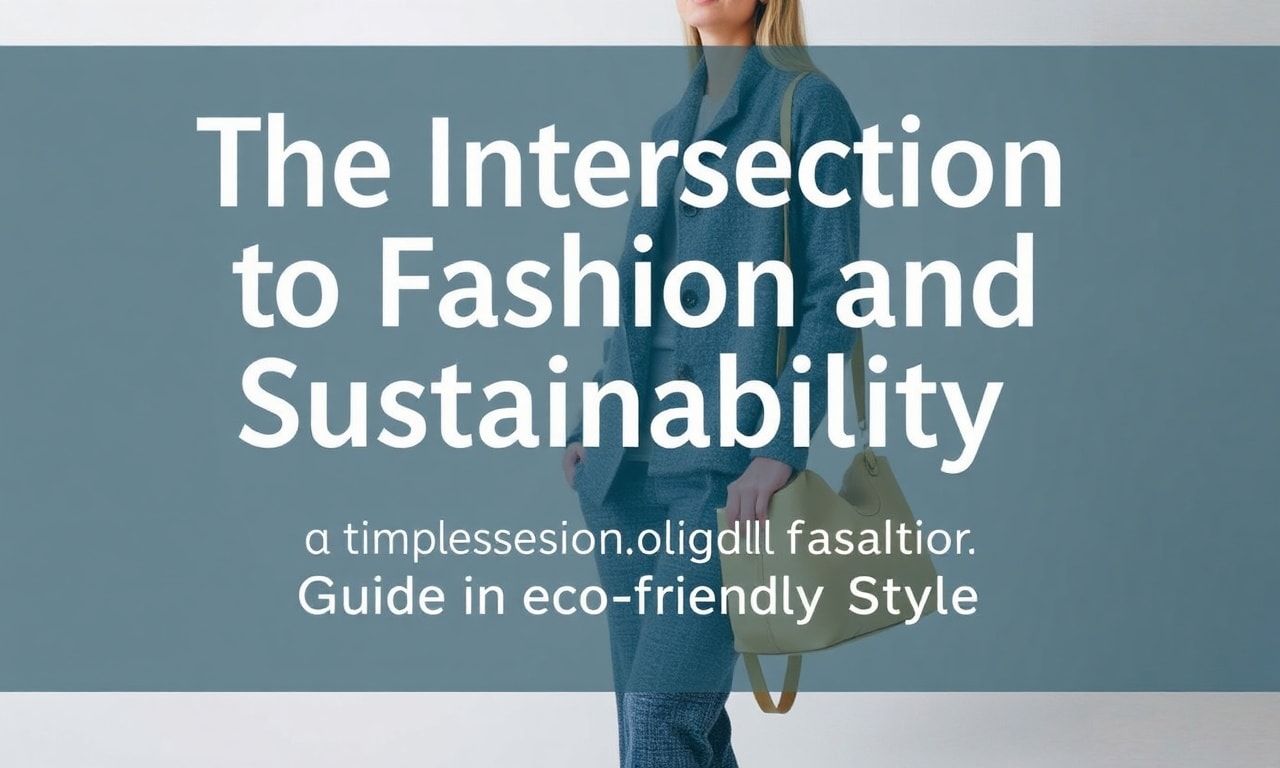
The fashion industry is undergoing a significant transformation, with sustainability taking center stage. As consumers become more environmentally conscious, the demand for eco-friendly fashion is on the rise. This shift is not just a trend but a movement towards a more responsible and ethical approach to style. Sustainable fashion encompasses a wide range of practices, from using organic materials to reducing waste and promoting fair labor practices.
Key Elements of Sustainable Fashion
Sustainable fashion is built on several key principles. First and foremost is the use of eco-friendly materials. Organic cotton, hemp, and bamboo are popular choices that have a lower environmental impact compared to conventional fabrics. Additionally, recycling and upcycling materials help reduce waste and give new life to old garments. Another important aspect is ethical production, ensuring that workers are treated fairly and paid a living wage.
Eco-Friendly Materials
Choosing the right materials is crucial in sustainable fashion. Organic cotton, for example, is grown without the use of harmful pesticides and chemicals, making it a healthier option for both the environment and the wearer. Hemp is another excellent choice, as it requires minimal water and grows quickly, making it a highly sustainable crop. Bamboo is also gaining popularity due to its fast growth rate and natural antibacterial properties. These materials not only reduce the environmental impact but also offer unique textures and qualities that enhance the overall style.
Recycling and Upcycling
Recycling and upcycling are innovative ways to reduce waste in the fashion industry. Recycling involves breaking down old garments into raw materials that can be used to create new products. Upcycling, on the other hand, transforms old materials into new, high-quality items without breaking them down. This process not only reduces waste but also adds a unique, artistic touch to the final product. Many designers are now embracing upcycling as a way to create one-of-a-kind pieces that tell a story and have a lower environmental impact.
Styling Tips for a Sustainable Wardrobe
Building a sustainable wardrobe doesn’t mean sacrificing style. In fact, it can be an opportunity to explore new trends and express your unique personality. Here are some tips to help you create a stylish and eco-friendly wardrobe:
Invest in Timeless Pieces
One of the best ways to build a sustainable wardrobe is to invest in timeless, high-quality pieces that will last for years. Look for classic styles that never go out of fashion, such as a well-tailored blazer, a little black dress, or a pair of versatile jeans. These items can be easily mixed and matched to create a variety of outfits, reducing the need for constant shopping. Additionally, choosing high-quality materials ensures that your clothes will stand the test of time, reducing the need for frequent replacements.
Support Ethical Brands
Supporting ethical brands is another important aspect of sustainable fashion. Look for brands that prioritize fair labor practices, use eco-friendly materials, and have a transparent supply chain. Many ethical brands also offer unique, stylish designs that cater to a wide range of tastes. By supporting these brands, you are not only making a fashion statement but also contributing to a more sustainable and ethical industry.
For those interested in exploring sustainable fashion further, resources like güneş paneli kurulumu için en iyi kitaplar offer valuable insights into eco-friendly practices beyond just fashion. These resources can inspire you to adopt a more sustainable lifestyle in all aspects of your life.
Mix and Match
Mixing and matching different pieces is a great way to create a versatile and sustainable wardrobe. Experiment with different colors, textures, and styles to create unique outfits that reflect your personal style. Layering is also an effective way to extend the life of your clothes, allowing you to wear them in different seasons and occasions. By mixing and matching, you can create a variety of looks without needing to buy new clothes constantly.
Accessories Matter
Accessories play a crucial role in sustainable fashion. Choosing eco-friendly accessories, such as bags made from recycled materials or jewelry made from sustainable metals, can add a stylish touch to your outfits while reducing your environmental impact. Additionally, accessories can be easily swapped out to create new looks, making them a versatile and sustainable addition to your wardrobe.
The Future of Sustainable Fashion
The future of sustainable fashion looks bright, with more brands and consumers embracing eco-friendly practices. As technology advances, new innovations are emerging that make sustainable fashion more accessible and stylish than ever before. From biodegradable fabrics to 3D-printed clothing, the possibilities are endless. By continuing to support and advocate for sustainable fashion, we can create a more ethical and environmentally responsible industry that benefits everyone.
Conclusion
Sustainable fashion is more than just a trend; it’s a movement towards a more responsible and ethical approach to style. By choosing eco-friendly materials, supporting ethical brands, and embracing innovative practices like recycling and upcycling, we can create a stylish and sustainable wardrobe. As the fashion industry continues to evolve, the future of sustainable fashion looks promising, with endless possibilities for innovation and creativity. By making conscious choices, we can contribute to a more sustainable and ethical world, one outfit at a time.
As we embrace a greener future, discover how London is leading the way with sustainable solar initiatives that could inspire your next eco-chic fashion statement.
As the fashion world embraces sustainability, discover the latest trends that are both stylish and eco-conscious in our guide to sustainable style essentials.
In the spirit of eco-conscious fashion, discover how a vibrant community is shining a light on sustainability with solar-powered initiatives that are as stylish as they are green.