The Art of Dressing for Cultural Exploration
Fashion and travel are two realms that beautifully intertwine, creating a tapestry of experiences that are as enriching as they are stylish. When embarking on a journey to explore different cultures, the way you dress can be a powerful tool for connection and understanding. It’s not just about looking good; it’s about respecting the cultural nuances and blending in while still expressing your personal style.
Before you pack your bags, consider the cultural context of your destination. Researching local customs and dress codes can provide valuable insights. For instance, in many Middle Eastern countries, modest attire is appreciated, while in some Asian cultures, vibrant colors and patterns are celebrated. Understanding these nuances can enhance your cultural travel experiences guide and make your journey more meaningful.
Essential Wardrobe Staples for the Culturally Conscious Traveler
Building a versatile wardrobe that can adapt to different cultural settings is key. Here are some essential staples to consider:
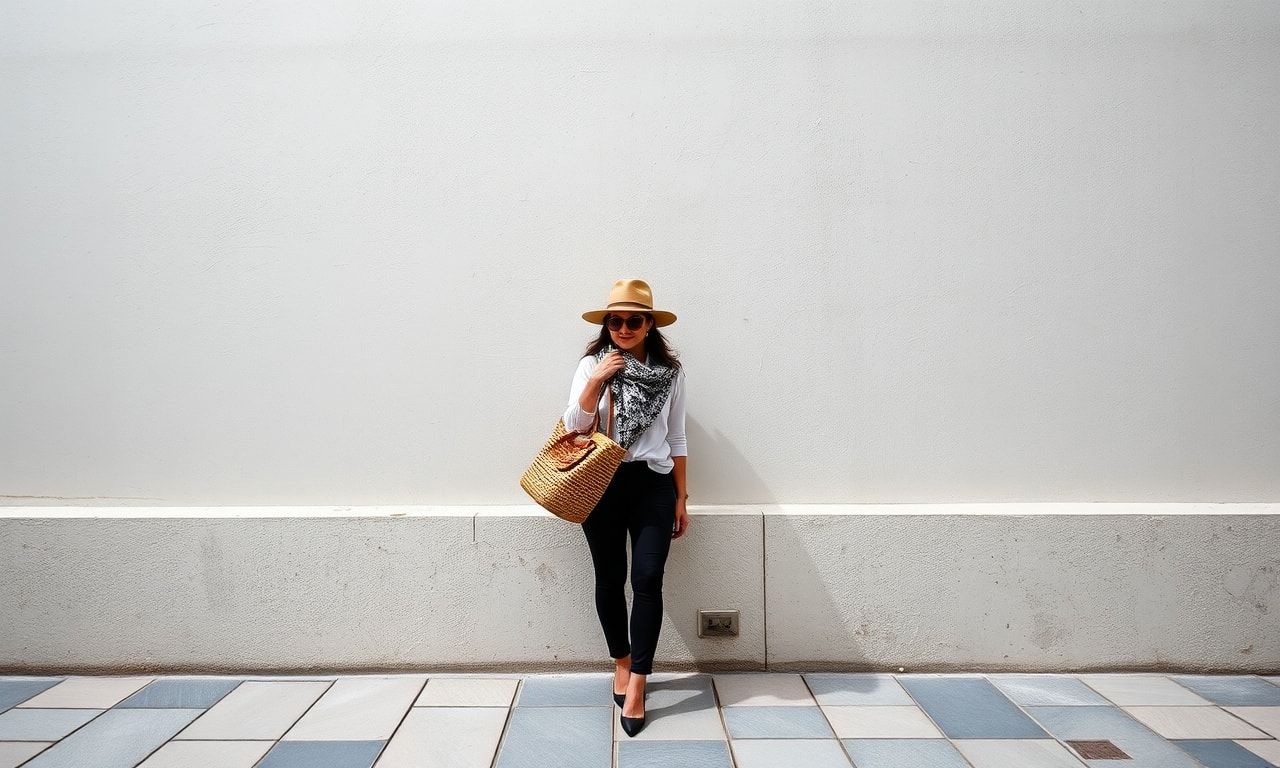
- Modest yet Stylish Pieces: Items like maxi dresses, long skirts, and loose-fitting trousers can be both fashionable and respectful of local customs.
- Layering Pieces: Lightweight scarves, shawls, and cardigans can be easily added or removed to adapt to different dress codes and weather conditions.
- Comfortable Footwear: Opt for comfortable and versatile shoes that can handle both city streets and cultural sites.
- Neutral and Versatile Colors: Neutral colors like black, white, beige, and navy are easy to mix and match, making them perfect for cultural travel.
- Cultural Accessories: Incorporate accessories that reflect the local culture, such as traditional jewelry or handcrafted bags, to show respect and appreciation.
The Role of Accessories in Cultural Fashion
Accessories can be a game-changer when it comes to cultural fashion. They not only elevate your outfits but also serve as a means of expressing your respect for the local culture. For example, a beautifully crafted scarf can be worn in various ways, from a head covering to a stylish accessory. Similarly, a traditional piece of jewelry can add a touch of authenticity to your ensemble.
When selecting accessories, consider their cultural significance. In some cultures, certain colors or patterns may hold special meanings. By incorporating these elements into your outfits, you can show your appreciation for the local traditions and customs. Additionally, accessories can be a great way to break the ice and engage with locals, as they often appreciate the effort to blend in and respect their culture.
Fashion Tips for Different Cultural Destinations
Each cultural destination has its unique fashion landscape. Here are some tips to help you navigate the fashion scene in different parts of the world:
Europe
European fashion is known for its sophistication and elegance. When traveling through cities like Paris, Milan, and London, opt for classic, well-tailored pieces that exude timeless style. Neutral colors and minimalist designs are popular, but don’t be afraid to add a pop of color or a statement accessory to stand out.
Asia
Asian fashion is a vibrant mix of tradition and modernity. In countries like Japan and South Korea, streetwear and cutting-edge designs are popular, while in places like India and Thailand, traditional garments like saris and kimonos are still widely worn. Embrace the local fashion trends by incorporating traditional elements into your outfits, such as intricate embroidery or bold patterns.
Middle East
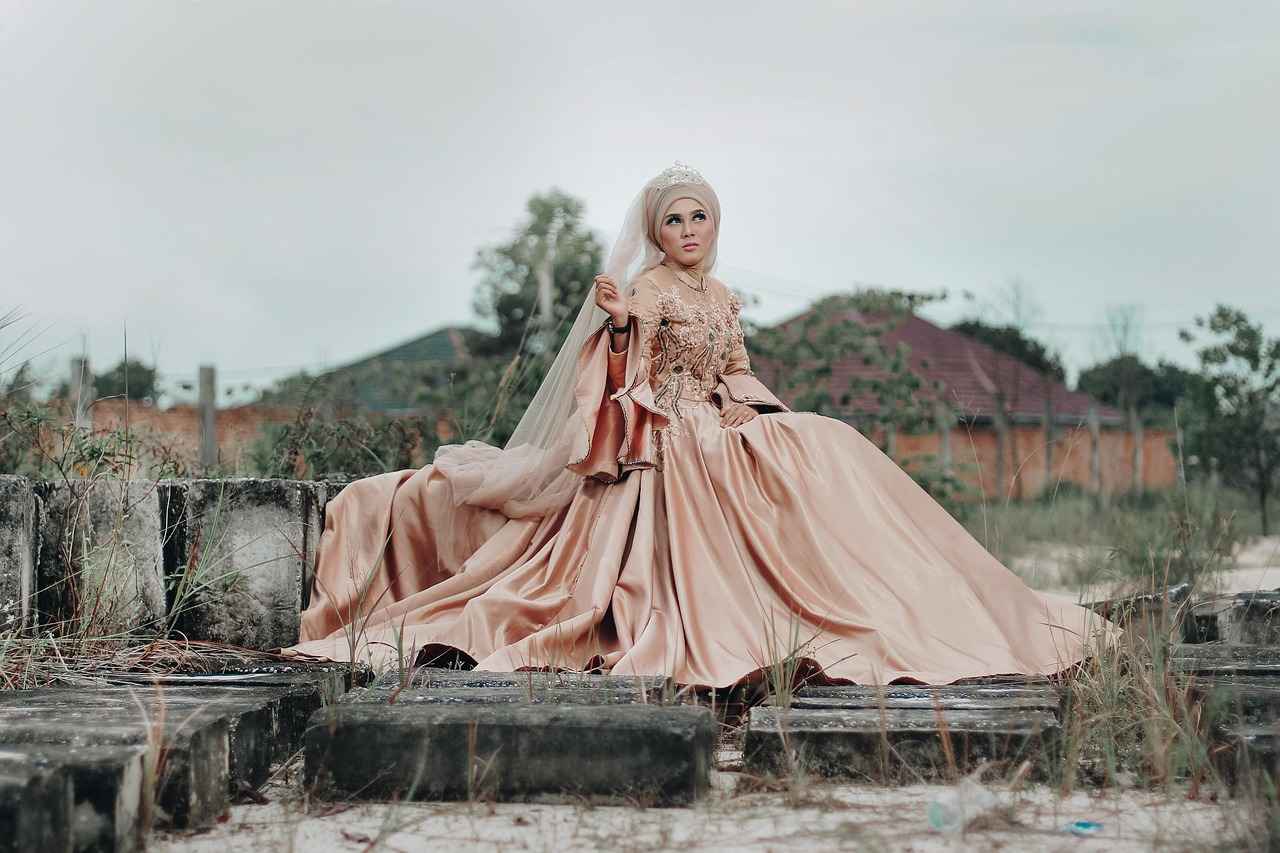
Middle Eastern fashion is characterized by its modesty and elegance. When visiting countries like Saudi Arabia and the UAE, opt for loose-fitting, long-sleeved garments that cover the knees and shoulders. Neutral colors like beige, black, and white are popular, but you can also incorporate traditional elements like intricate embroidery or gold accents to add a touch of glamour.
Africa
Africa is a continent of diverse cultures and fashion styles. From the vibrant prints of West Africa to the elegant designs of South Africa, there’s a wealth of inspiration to draw from. When traveling through Africa, embrace the local fashion trends by incorporating traditional garments like dashikis, kaftans, and Ankara prints into your outfits.
The Impact of Fashion on Cultural Experiences
Fashion has the power to enhance your cultural travel experiences in numerous ways. By dressing appropriately and respectfully, you can show your appreciation for the local culture and build connections with the people you meet. Additionally, fashion can serve as a form of self-expression, allowing you to communicate your personal style and values while exploring new cultures.
Moreover, fashion can be a bridge between different cultures. By incorporating traditional elements into your outfits, you can celebrate the diversity of the world and promote cultural understanding. Whether you’re attending a local festival, visiting a historical site, or simply exploring the streets of a new city, your fashion choices can make a lasting impact on your cultural experiences.
In conclusion, fashion and cultural travel are deeply interconnected. By embracing the local fashion trends and dressing respectfully, you can enhance your travel experiences and build meaningful connections with the people you meet. So, the next time you embark on a journey, remember to pack your bags with both style and cultural sensitivity in mind. After all, the way you dress can be a powerful tool for connection and understanding in a world that is both diverse and interconnected.
If you’re looking to add a touch of elegance to your wardrobe, our latest guide on elevating outfits with jewelry is a must-read for fashion enthusiasts.
If you’re looking to infuse your family vacation with a dash of otaku charm, our perfect anime adventure guide is your go-to resource for blending style and fun.
Embark on a sartorial adventure with our latest feature, travel-inspired fashion trends, and discover how global cultures shape the styles we love.