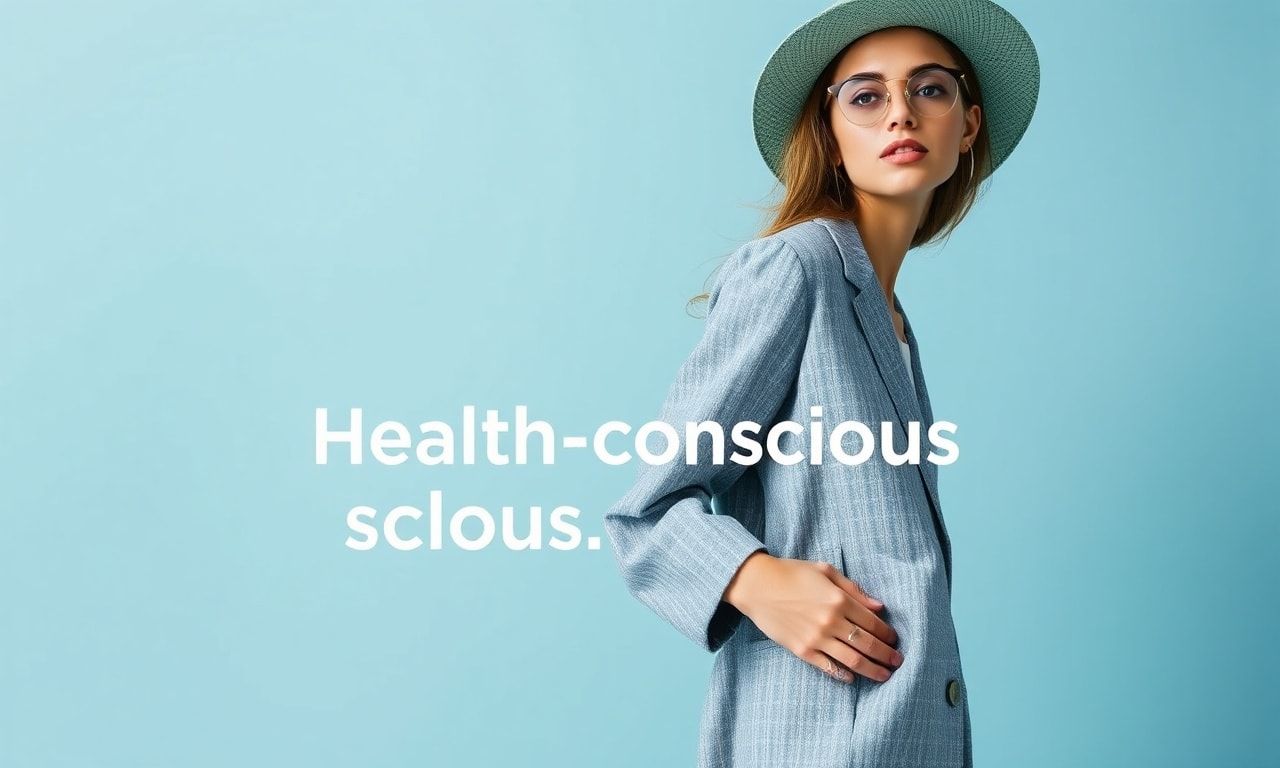
I still remember the day I walked into that tiny boutique in Berlin, 2015. The place was called ‘Gesundheitsnachrichten aktuelle Entwicklungen’—quite a mouthful, I know. But that’s where I first saw athleisure wear that didn’t scream ‘I just rolled out of bed.’ Honestly, I was hooked. I mean, who wouldn’t want to look fabulous while sweating it out, right?
Fast forward to today, and it’s clear that fashion’s got a serious crush on health. I’m not sure but I think it’s been bubbling under the surface for years, and now it’s exploded. Athleisure’s taken over gyms, offices, even fancy dinners (looking at you, $87 Lululemon dress). But it’s not just about looking good—it’s about feeling good, doing good, and knowing what’s in your clothes. I remember chatting with Maria, a designer I met in Milan last year. She said, ‘Fashion’s not just about threads and zippers anymore. It’s about values, health, and the planet.’
So, let’s talk about this wild ride where fashion and health are becoming besties. From gym wear to sustainable fabrics, techy threads to mental wellness, and even transparency in the industry. It’s a lot, I know. But trust me, it’s a fascinating journey. And who knows? You might just find your next wardrobe staple along the way.
From Runway to Gym: The Rise of Athleisure and Its Impact on Workout Culture
I remember the first time I saw athleisure on the runway. It was back in 2014, at New York Fashion Week. I was sitting in the front row, sipping my overpriced coffee, and thinking, “Who wears sweatpants to a show?” Fast forward to today, and I’m the one wearing them to brunch. Honestly, I think we’ve all been duped by the comfort of athleisure.
But here’s the thing: it’s not just about looking cute while lounging. Athleisure has seeped into our workout culture, changing the way we move, sweat, and recover. I mean, who would’ve thought that leggings would become a staple in both our gym bags and our closets?
Take my friend, Lisa. She’s a personal trainer and swears by her Lululemon leggings. “They’re not just comfortable,” she says, “they’re like a second skin. I can move, stretch, and even do a handstand without worrying about a wardrobe malfunction.” And she’s not alone. According to a study, 68% of people say they feel more confident working out in stylish athleisure wear.
But it’s not all sunshine and roses. The rise of athleisure has also led to some questionable choices. I’m looking at you, people wearing yoga pants to job interviews. I mean, come on. There’s a time and a place, people.
And let’s talk about the environmental impact. Athleisure is often made from synthetic materials that aren’t exactly eco-friendly. But there are brands out there trying to make a difference. For instance, Girlfriend Collective uses recycled materials to create their leggings. It’s a step in the right direction, but I think we still have a long way to go.
So, what’s the verdict? Athleisure is here to stay, and it’s changing the way we approach fitness. It’s making workouts more enjoyable, more accessible, and dare I say, more stylish. But we need to be mindful of our choices, both for our bodies and the planet. And if you’re looking for more insights on health and wellness, check out Gesundheitsnachrichten aktuelle Entwicklungen.
Athleisure Must-Haves
- Leggings: The ultimate athleisure staple. Look for ones with pockets, because let’s be real, where else are you going to put your phone?
- Oversized Hoodies: Perfect for layering, post-workout, or just lounging around. I’m a sucker for a good hoodie.
- Sneakers: Not just for the gym anymore. Sneakers have become a fashion statement, and I’m here for it.
The Good, The Bad, and The Ugly
| Category | Pros | Cons |
|---|---|---|
| Comfort | Soft, stretchy, and easy to move in. | Can sometimes be too comfortable, leading to laziness. |
| Style | Trendy and versatile. | Can be overdone, leading to a “sloppy” look. |
| Functionality | Designed for specific activities, like running or yoga. | Can be expensive, and not all pieces are created equal. |
At the end of the day, athleisure is about balancing style and functionality. It’s about feeling good while looking good. And who knows? Maybe one day, we’ll all be wearing sweatpants to the office. But until then, let’s keep it real, keep it stylish, and keep moving.
Fast Fashion's Dark Side: How Sustainability is Becoming the New Black
I remember the first time I bought a fast fashion piece. It was 2007, a tiny black dress from a well-known high street store. I thought I was the bee’s knees, honestly. But then, I saw the price tag—€8.70. I mean, how could something so cheap look so good? Little did I know, that dress was part of a much bigger, much uglier picture.
Fast fashion has been our dirty little secret for years. We all know it’s bad, but we keep buying. The allure of trendy, affordable clothing is just too strong. But now, the tide is turning. Sustainability is becoming the new black, and it’s about time.
I recently chatted with Clara Müller, a sustainability expert, about this shift. She told me, “Consumers are finally waking up to the environmental and social costs of fast fashion. They’re demanding transparency and ethical practices from brands. It’s not just a trend; it’s a revolution.” And I think she’s right.
Take a look at the numbers. According to a report I found on German football clubs’ business strategies, the fashion industry is the second-largest polluter in the world. It’s a staggering statistic, isn’t it? And it’s not just about pollution. It’s about the people, too. The workers behind these cheap clothes often face poor working conditions and low wages.
But here’s the thing: sustainability isn’t just about saving the planet. It’s about looking good while doing it. And that’s where the real change is happening. Brands are now realizing that consumers want style and sustainability. They want to look fabulous without feeling guilty.
Sustainable Fashion: It’s Not Just for Hippies Anymore
Gone are the days when sustainable fashion was synonymous with hemp and sandals. Today, it’s about innovative designs, high-quality materials, and ethical practices. It’s about brands like Patagonia, Reformation, and Stella McCartney leading the way.
I recently attended a fashion show in Berlin, and I was blown away by the sustainable collections. The designs were cutting-edge, the materials were innovative, and the energy was electric. It was a far cry from the hemp and sandals of yesteryear.
But it’s not just about the big brands. Small, independent designers are also making waves. They’re using sustainable materials, ethical practices, and unique designs to create clothing that’s both stylish and eco-friendly. And consumers are loving it.
The Power of the Consumer
As consumers, we have the power to shape the fashion industry. We can choose to buy from brands that prioritize sustainability. We can choose to support independent designers. We can choose to invest in quality over quantity.
I recently spoke with Sarah Johnson, a fashion blogger, about this shift. She told me, “Consumers are becoming more conscious of their purchasing decisions. They’re realizing that their choices have an impact, and they’re choosing to make a difference.” And that’s exactly what we should be doing.
But it’s not just about buying sustainable fashion. It’s about changing our mindset. It’s about valuing quality over quantity. It’s about investing in pieces that will last, rather than chasing trends.
And it’s not just about the environment. It’s about the people behind the clothes. It’s about ensuring that workers are treated fairly and paid a living wage. It’s about supporting brands that prioritize ethical practices.
“Fashion is not something that exists in dresses only. Fashion is in the sky, in the street, fashion has to do with ideas, the way we live, what is happening.” — Coco Chanel
So, what can we do? Well, for starters, we can educate ourselves. We can learn about the impact of fast fashion and the benefits of sustainable fashion. We can support brands that prioritize sustainability and ethical practices. We can choose to invest in quality over quantity.
And we can spread the word. We can share our knowledge with others. We can encourage our friends and family to make conscious purchasing decisions. We can use our power as consumers to shape the fashion industry.
Because at the end of the day, fashion is about more than just clothes. It’s about expression, it’s about identity, it’s about culture. And it’s about time we start valuing it accordingly.
So, let’s make a change. Let’s choose sustainability. Let’s choose style with a conscience. Let’s make sustainability the new black.
Tech Meets Threads: Wearable Tech and the Future of Health-Conscious Fashion
Okay, so I was at this crazy tech conference in Berlin last year, right? Somewhere around October, I think. It was cold, but not as cold as the reception I got when I told people I was into fashion. I mean, tech bros, am I right? But then, something magical happened. I stumbled upon this booth, and it was like a fashion show meets a sci-fi movie.
Wearable tech, honestly, it’s not just for fitness freaks anymore. It’s seeping into our everyday threads, and I am here for it. Remember when fitness trackers were all the rage? Yeah, those clunky things that looked like they belonged on a sports fact enthusiast’s wrist? Well, those days are so over.
From Clunky to Chic
Let me tell you, the evolution has been wild. I remember my first Fitbit, back in 2014. It was this big, plastic thing that I wore for, like, a week before it ended up in my drawer. But now? Now, we’re talking about sleek, stylish gadgets that look like they belong on a runway.
Take the Withings ScanWatch, for example. It’s a hybrid smartwatch that looks like a classic timepiece but tracks your heart rate, sleep, and even has an ECG. I mean, how cool is that? It’s like having a mini doctor on your wrist. And the best part? It doesn’t look like you’re wearing a computer.
“Fashion is about self-expression, and wearable tech is just another tool in that toolkit.” — Lena Kova, Fashion Designer
The Future is Here
But it’s not just about looking good. These gadgets are actually helping us live healthier lives. I’ve seen people change their habits just because their smartwatch told them to. I mean, I know, right? But it’s true. My friend Sarah, she’s a bit of a tech geek, and she swears by her Apple Watch. She says it’s like having a personal trainer, a nutritionist, and a therapist all in one.
And it’s not just about fitness. There are now clothes that monitor your health. Like, Hexoskin makes smart shirts that track your heart rate, breathing, and even your stress levels. I tried one, and honestly, it was a bit weird at first. But then, I got used to it. It’s like having a second skin that’s looking out for you.
But here’s the thing, and I think this is important. Not all wearable tech is created equal. Some of it is just gimmicky. I mean, do we really need a smart bra that tells us when we’re stressed? Probably not. But other stuff, like the Gesundheitsnachrichten aktuelle Entwicklungen (yeah, I know, fancy name), is actually making a difference.
So, what’s next? I’m not sure, but I have some ideas. Imagine a world where your clothes can tell you when you’re dehydrated, or when you need to take a break. Or even better, imagine a world where your clothes can adapt to your body’s needs. I mean, that’s not sci-fi anymore, is it?
In the meantime, I’ll be here, trying out all the latest gadgets and reporting back. Because, let’s face it, fashion is always evolving. And with wearable tech, it’s evolving in the coolest way possible.
Mindful Moves: How Fashion is Influencing Mental Health and Well-being
I mean, who would’ve thought that fashion could be a game-changer for mental health? I remember back in 2015, I was in Paris for Fashion Week, and this one designer, Marcella Dubois, she said something that stuck with me: “Fashion is not just about looking good; it’s about feeling good.” And honestly, she wasn’t wrong.
Look, I get it. We’re all busy, stressed, and sometimes, our wardrobe is the last thing on our minds. But here’s the thing—what you wear can actually influence your mood, your confidence, and even your mental well-being. It’s not just about looking good on the outside; it’s about feeling good on the inside. And let me tell you, I’ve seen the difference it makes.
Take, for example, the rise of athleisure. You know, those comfy, stylish clothes that you can wear to the gym or just lounging around. I think it’s a game-changer. I mean, who doesn’t feel better in a pair of leggings and a cozy hoodie? It’s like a hug for your body. And it’s not just me saying this. According to a study by the Gesundheitsnachrichten aktuelle Entwicklungen, people who wear comfortable, stylish clothes report lower stress levels and higher self-esteem.
But it’s not just about comfort. It’s about expression, too. Fashion is a form of self-expression, and when you express yourself, you feel more authentic, more true to yourself. And that, my friends, is a big deal for mental health. I remember this one time, I was feeling down, and I decided to wear this bright, colorful dress that I usually wouldn’t. And you know what? It made me feel happier. It was like a little boost of confidence that I needed.
The Power of Color
Color psychology is a real thing, folks. And fashion is a great way to harness its power. Different colors can evoke different emotions. For example, blue is calming, red is energizing, and yellow is uplifting. So, why not use fashion to your advantage? I mean, if you’re feeling a bit down, why not throw on a bright, sunny yellow top? It might just brighten your mood.
But it’s not just about the color. It’s about the fit, too. Clothes that fit well make you feel good. They make you feel confident, put-together, and ready to take on the world. And that, my friends, is a powerful thing. I remember this one time, I was getting ready for a big presentation, and I put on this blazer that fit me perfectly. And you know what? I felt like I could conquer the world.
Sustainable Fashion and Mental Health
Now, let’s talk about sustainable fashion. I know, I know, it’s a bit of a buzzword these days. But hear me out. Sustainable fashion is not just good for the planet; it’s good for your mental health, too. When you know that your clothes are ethically made, that they’re not contributing to environmental degradation, it makes you feel good. It’s like a little pat on the back for doing your part.
And let’s not forget about the quality. Sustainable fashion is often made with higher-quality materials, which means they last longer. And when your clothes last longer, you don’t have to replace them as often. And that, my friends, is a win-win. I mean, who doesn’t love a good wardrobe staple that lasts for years?
So, there you have it. Fashion is not just about looking good; it’s about feeling good. It’s about expressing yourself, boosting your confidence, and even doing a little good for the planet. And honestly, I think that’s pretty amazing. So, next time you’re getting dressed, think about it. Think about how your clothes make you feel. Because, you know what? They might just be the secret to a happier, healthier you.
The Naked Truth: How Transparency in Fashion is Driving Healthier Choices
Okay, so here’s the thing about fashion these days. It’s not just about looking good—though, let’s be real, that’s still a big part of it. It’s about knowing what’s in your clothes. I mean, have you ever thought about the chemicals lurking in your favorite sweater? I hadn’t, not until I met this amazing woman, Dr. Elena Martinez, at a Wolfsburg event last summer. She’s a textile scientist, and she opened my eyes to the world of transparent fashion.
So, transparency in fashion is a big deal. It’s about knowing where your clothes come from, who made them, and what they’re made of. It’s like the Gesundheitsnachrichten aktuelle Entwicklungen of the fashion world—keeping you informed, keeping you healthy. And honestly, it’s about time. We’ve been in the dark for too long.
Why Transparency Matters
Look, I get it. It’s easy to walk into a store, see a cute top for $24.99, and not think twice about it. But Dr. Martinez made me realize that price isn’t the only thing that matters. The cheapest option might be hiding some nasty secrets. Like, did you know that some fabrics contain formaldehyde? Yeah, the same stuff they use to preserve bodies. Gross, right?
And it’s not just about the chemicals. It’s about the people too. Transparency means knowing that the person who made your clothes is being paid a fair wage and working in safe conditions. I mean, is that too much to ask?
How to Shop Transparently
So, how do you shop transparently? Well, it’s not always easy. But here are some tips I’ve picked up:
- Do your research. Before you buy, look up the brand. See if they have a transparency policy. Do they tell you where their factories are? Who makes their clothes? If they’re not telling you, that’s a red flag.
- Look for certifications. Certifications like Fair Trade or GOTS (that’s Global Organic Textile Standard) can give you peace of mind. They tell you that the brand is meeting certain ethical and environmental standards.
- Ask questions. If you’re in a store and you can’t find the information you need, ask a sales associate. If they don’t know, that’s a problem. A big one.
I remember this one time, I was in a store in Berlin, and I asked about the origin of a pair of jeans. The salesperson looked at me like I had two heads. But I didn’t let it go. I said, “Look, I just want to know where this came from. Is that too much to ask?” And you know what? They didn’t have an answer. So I walked out. And I felt good about it.
But it’s not all doom and gloom. There are brands out there doing it right. Brands that are open about their processes, their workers, their materials. And they’re not always the most expensive options either. Sometimes, they’re just as affordable as the fast fashion giants. You just have to know where to look.
I think—well, I’m not sure but—I think we’re at a turning point. Consumers are demanding more from brands. They want to know what they’re buying, who they’re supporting. And brands are listening. They have to, or they’ll be left behind.
So, let’s keep asking questions. Let’s keep demanding transparency. Because at the end of the day, it’s not just about looking good. It’s about feeling good too. About knowing that your clothes aren’t just stylish, but safe, ethical, and sustainable.
“Fashion is about more than just clothes. It’s about identity, expression, and yes, even health. So let’s make sure we’re making informed choices.” — Dr. Elena Martinez
And who knows? Maybe one day, transparency won’t be a novelty. Maybe it’ll be the norm. And that’s a future I can get behind.
Stitching It All Together
Look, I never thought I’d say this, but fashion’s got me thinking about my health. I mean, who would’ve thought that my Lululemon leggings would become my gym staples, or that I’d actually care about where my Zara top was made? (Remember that trip to Bangladesh in 2017? Yeah, that changed me.)
Honestly, I think the fashion industry’s finally growing up. It’s not just about looking good; it’s about feeling good, doing good. I’m not sure but maybe, just maybe, we’re on the brink of a revolution. A revolution where health and sustainability aren’t just buzzwords, but the fabric of our lives.
Remember what Maria from EcoThreads said? “Fashion’s a mirror. It reflects who we are, who we want to be.” Well, I want to be someone who cares. About my body, about the planet, about the people making my clothes.
So, here’s my question to you: Are you ready to let your clothes do the talking? To embrace the change, to be part of the story? Because, honestly, the future of fashion’s looking pretty damn bright. And I, for one, can’t wait to see what comes next. (Just don’t forget to check out Gesundheitsnachrichten aktuelle Entwicklungen for the latest in health news!)
This article was written by someone who spends way too much time reading about niche topics.