16 min read · Updated: 2026-11-28
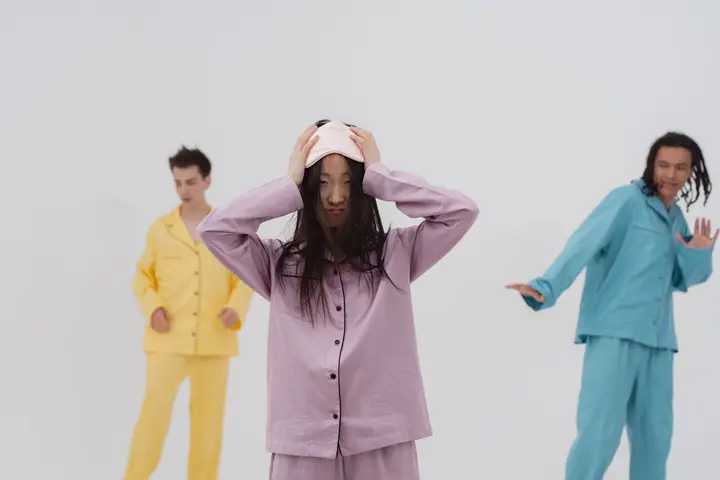
Style loungewear by choosing comfortable pieces with a clean fit, coordinating colours and adding one considered layer or accessory. A soft matching set can feel relaxed at home, while a neat cardigan, structured bag or simple shoes make it ready for a casual errand. The aim is ease first, with small details that make the outfit look intentional.
Start with pieces that move comfortably when you sit, stretch and walk. Check the fabric against the season and the way you plan to wear it, then use layers to adjust warmth without making the outfit feel fussy.
You do not need a full matching set to look pulled together. A dependable top and bottom in complementary colours can form a useful base, while thoughtful care and shopping choices help keep the wardrobe comfortable and wearable.
- Balance relaxed pieces with a clear shape and a simple colour story.
- Check fit in motion, especially at the waist, sleeves and hems.
- Choose fabric and care requirements that suit your routine.
- Use light layers and practical shoes to make home outfits outing-ready.
What Makes Loungewear Feel Put-Together
Balance Comfort and Shape
A put-together loungewear outfit balances softness with a clear shape. Pair relaxed trousers with a top that sits neatly at the shoulder, or wear a roomy sweatshirt with straight-leg bottoms. The contrast keeps the outfit from looking shapeless while leaving enough ease for lounging, stretching or moving around the house.
Proportion matters more than wearing a complete matching set. If both pieces are loose, define the outline with a cropped cardigan or a top that ends near the hip. When one piece is close-fitting, let the other have more room so the outfit feels comfortable rather than restrictive.
A simple colour story makes separate pieces look deliberate. Try cream with soft grey, navy with white, or muted green with a warm neutral, using shades already in your wardrobe. Repeating one colour in a top and accessory can also connect an outfit without making it feel overly coordinated.
Use Small Finishing Details
Small finishing details can make familiar loungewear look intentional without sacrificing comfort. Smooth a collar, straighten a hem and choose clean slippers or simple trainers to suit where you are going. These quick adjustments help the outfit read as a choice, not simply the first clothes within reach.
Keep accessories light and practical for the setting. A soft scarf or understated earrings can add a personal touch, while a roomy tote is useful for a short outing. Avoid piling on pieces that catch, feel heavy or need constant adjusting; comfort should still lead the decision.
Pay attention to the condition of each garment before wearing it beyond home. Pilled fabric, stretched cuffs and twisted seams can distract from an otherwise well-chosen outfit. Removing bobbles with care, folding pieces neatly and following the garment's care label all help loungewear retain a fresher appearance.
Start with Comfortable, Well-Fitting Basics
Check Movement and Ease
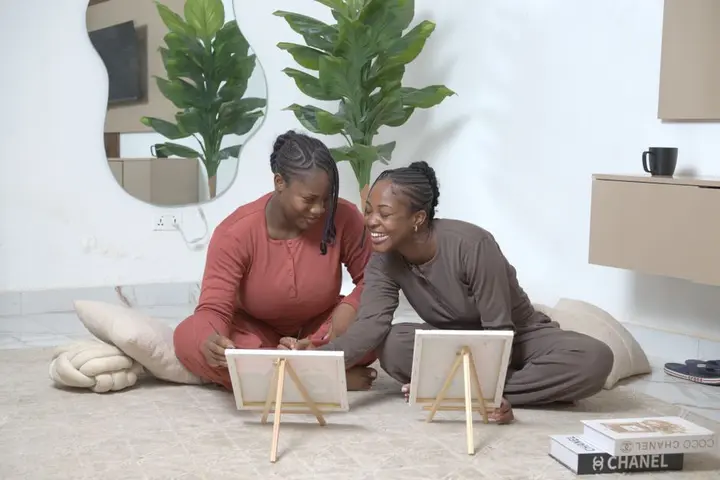
A good fit should let you move freely without fabric pulling or slipping out of place. Sit down, reach overhead and take a few steps when trying on a set, because a garment can feel different in motion than it does in front of a mirror. Check that waistbands stay comfortable and sleeves do not restrict your reach.
- ☐ Check the waistband while sitting.
- ☐ Raise your arms to test sleeve movement.
- ☐ Walk to see whether hems stay clear of the floor.
- ☐ Look for seams that lie flat against the skin.
Look for seams and fastenings that feel gentle against the skin. Waist ties can offer adjustment, while elastic should hold securely without digging in when you sit. If a top rides up or trousers drag along the floor, try another length or cut rather than relying on constant readjustment.
Use your usual clothing size as a starting point, not a guarantee of fit. Brands and fabrics can sit differently, so compare garment measurements with a piece you already find comfortable. When shopping online, read the fit notes and check the return terms before choosing between a closer or more relaxed silhouette.
- Sit and reach to test movement.
- Check that waistbands do not dig in.
- Choose a length that stays clear of the floor.
- Compare garment measurements with a favourite piece.
Choose Useful Core Pieces
Build a useful base from pieces that can work in more than one outfit. Straight-leg trousers, a soft long-sleeved top and a light layer cover different indoor temperatures and can be worn together or separately. Choose a neckline and rise that feel comfortable through an ordinary day, not just for a quick try-on.
Think about where each piece will be worn before adding it to your wardrobe. A top with a clean finish can work for a relaxed coffee run, while a softer, looser style may be best for evenings at home. This distinction helps you choose clothes that match your routine rather than duplicate what you own.
Shopping thoughtfully starts with checking what is already in your drawer. Note which colours pair easily and which garments are often left unworn because they pinch, cling or need special care. If you need help improving a shop’s online visibility, SEO Bureau offers businesses practical digital marketing support.
Choose Fabrics for the Way You’ll Wear Them
Match Fabric to Your Routine
Choose fabric according to the temperatures and activities your loungewear needs to handle. Cotton jersey is a familiar option for everyday softness, while brushed fabrics can feel cosier for cooler evenings. A lighter woven fabric may suit warmer rooms, but consider whether it wrinkles easily if you plan to wear it outside.
Fabric weight and stretch affect how a piece feels as much as its fibre content. A stretchy knit can make sitting and moving easier, while a more structured cloth may hold a cleaner outline for a casual outing. Read the garment description and care label, then consider whether the feel suits your day-to-day habits.
For a wardrobe that works across changing conditions, combine different weights rather than relying on one fabric. A light top can sit under a warmer cardigan, and breathable trousers can remain comfortable as indoor temperatures shift. This approach makes it easier to add or remove a layer instead of changing your whole outfit.
| Fabric choice | Useful for | Consider |
|---|---|---|
| Cotton jersey | Everyday softness | Check the garment care label |
| Brushed fabric | Cooler evenings | May feel warm indoors |
| Light woven fabric | Warmer rooms | Can wrinkle more easily |
| Stretch knit | Sitting and movement | Check recovery and fit |
Consider Care and Texture
The best fabric is one you enjoy wearing and can care for reliably. Check whether the garment needs a gentle wash, air drying or careful handling, especially if you expect to wear it often. A piece that is soft but difficult to maintain may spend more time in the laundry than in your rotation.
Texture can change the mood of an outfit even when the cut stays simple. Smooth jersey feels casual and easy, while a fine rib or soft brushed surface adds visual interest without requiring a bold print. Pair one noticeable texture with quieter pieces so the outfit still feels calm and wearable.
Use the fabric’s appearance as a practical cue when styling for an errand. A clean, smooth surface can look neater under a coat, while a plush knit is especially suited to relaxing indoors. Neither is automatically better; choose the finish that fits the setting, weather and level of polish you want.
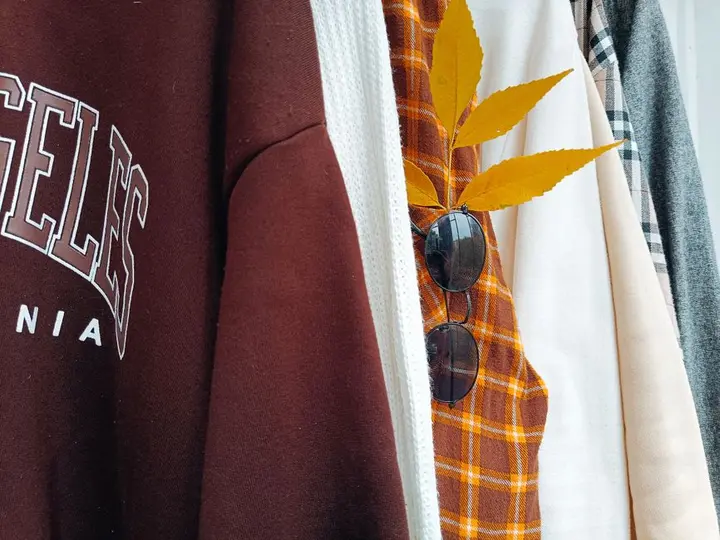
Use a light outer layer to make loungewear more adaptable without weighing it down.
Build an Easy Outfit with Simple Layers
Layer Without Adding Bulk
Use a light outer layer to make loungewear more adaptable without weighing it down. A cardigan, relaxed overshirt or soft zip-up can add warmth over a simple top and come off easily indoors. Choose a layer that moves comfortably at the shoulders and does not bunch awkwardly around the waist.
- Too many bulky layers; choose one light layer over a smooth base.
- A coat that catches on long hems; check the full outfit before leaving.
- Shoes chosen only for appearance; match them to the route and weather.
Keep the base layer smooth when you expect to wear more than one piece. A close-fitting tee or long-sleeved top sits more easily beneath a cardigan than a bulky sweatshirt, while a roomier top can work on its own. Check the full outfit in motion so the layers do not pull or twist.
For a short trip outside, add a practical coat that works with the outfit’s colours and proportions. A straight coat over slim or straight-leg trousers creates a clean outline, while a shorter jacket can suit wider bottoms. Pick shoes for the route and weather rather than choosing a pair that only looks right indoors.
Make Layers Work Together
Let colour and proportion connect the layers so the outfit feels cohesive. A neutral cardigan can calm a patterned top, while a top and trousers in related shades make a contrasting jacket feel intentional. Keep the combination to a few colours if you want an easy outfit that can be assembled quickly.
Consider where each hem falls when choosing layers. A cardigan that ends around the hip often sits neatly over straight-leg trousers, while a longer layer can work over a simpler base with a clear line. Avoid several hems stopping at awkward points together, since that can make an outfit feel visually crowded.
Before heading out, do one final comfort check from shoulder to shoe. Reach forward, sit briefly and make sure nothing shifts, pinches or trails. If the layers feel awkward, remove one or swap it for a lighter piece; a simple, comfortable outfit usually looks more polished than one that needs constant adjustment.
Find Independent Sleepwear Labels to Explore
Look Beyond the Matching Set
Independent sleepwear labels can offer loungewear separates that feel distinctive without sacrificing comfort. Look for pieces with useful details, such as deep pockets, adjustable waistbands, or sleeves that layer easily beneath a coat. A relaxed shirt and straight-leg trousers, for example, can work together or join items already in your wardrobe.
Read a label’s description as carefully as you would inspect a garment in person. Details about fabric weight, stretch, care, and model sizing can help you judge whether a piece suits lounging, errands, or both. If a description stays vague, check the size guide and customer feedback before deciding.
If you run a Leicester sleepwear boutique, Leicester Seo Services may help local shoppers discover your business. For personal shopping, though, focus on whether a label explains its clothes clearly and offers shapes that fit your routine. A small collection with versatile cuts may serve you better than several eye-catching pieces with limited use.
Check Quality and Versatility
A well-made garment should feel comfortable at the seams and keep its shape through ordinary movement. Examine close-up photos for neat stitching, smooth finishes, and details that look secure rather than decorative alone. Where possible, check whether the brand explains how the fabric behaves after washing.
Consider how a new item will pair with clothes you already own. A neutral cardigan, for instance, can soften printed trousers, while a simple top may balance a boldly coloured robe. Before buying, picture at least two outfits that use the piece in different ways.
Independent labels vary in their sizing, so compare garment measurements with a similar item you own rather than assuming your usual size will fit. Note whether measurements describe the body or the garment itself; the difference affects the ease of the finished look. If returns are limited, resolve these questions before placing an order.
- Check garment measurements against a familiar piece.
- Look for clear washing and care instructions.
- Choose colours that work with existing clothes.
Shop Online with Clear Fit and Fabric Details

Read Product Pages Carefully
A clear product page should help you picture the garment on your body and understand how it will feel. Look for fabric composition, garment measurements, model height and size, and notes about stretch or fit. For readers selling loungewear online, Seo Services may help shoppers find product pages that answer these practical questions.
- Confirm the fabric composition and care instructions.
- Compare garment measurements with a piece you own.
- Check model sizing and fit notes.
- Review the returns policy before ordering.
Photos should show more than a single styled pose. Check for front, back, and detail views, and notice whether the garment hangs loosely or follows the body. A close-up can reveal texture, while a seated or moving pose gives clues about ease through the waist, shoulders, and knees.
Read the care instructions before treating a fabric as an everyday staple. Some materials need gentle washing or careful drying, which may affect whether you reach for them often. If the page does not explain care, seek clarification rather than relying on assumptions based on the garment’s appearance.
Choose the Right Size Online
Use the size chart for each garment, not a general assumption about a label’s sizing. Measure a soft tape around the relevant areas without pulling it tight, then compare your results with the chart. If you fall between sizes, fit notes about stretch and intended ease can help you decide.
Think about how you want the garment to sit. A loungewear top may feel best with room through the shoulders, while trousers need a secure waist that does not pinch when you sit. Review the garment measurements as well as body measurements to distinguish a close fit from a relaxed cut.
Check the returns policy before choosing between sizes, especially when the fabric has little stretch or the cut is unfamiliar. Keep tags attached and try the garment on over clean skin, moving and sitting as you would at home. That quick fit check can reveal a tight waistband or sleeves that restrict layering.
- Measure yourself with the tape level and relaxed.
- Use the garment’s own size chart.
- Check the policy before ordering multiple sizes.
Avoid Common Loungewear Styling Missteps
Keep Proportion in Balance
Balance oversized pieces with cleaner lines so an outfit feels relaxed rather than swallowed by fabric. If you choose a roomy sweatshirt, try straight-leg trousers or leggings with a defined ankle. With wide, flowing pants, a more fitted top can give the silhouette shape without making comfort feel like an afterthought.
Length changes the impression of a loose garment. A top that ends at the widest part of the hips may look heavier than one that finishes higher or falls cleanly past them. Try sitting and standing before deciding; fabric can bunch at the waist or ride up when you move.
A loungewear retailer serving a specific area may use Local Seo Services to make its local business information easier to find. For your own outfit, check that each layer has room to move and does not pull against another. A practical fit test is more helpful than choosing a size simply because it appears oversized.
Avoid Overcomplicating Layers
Too many layers can add bulk and make simple loungewear feel awkward. Start with one comfortable base, then add a cardigan, robe, or light jacket only if it serves a purpose. Keep the colours or textures coordinated so each layer feels like part of the outfit rather than an extra item.
Avoid mixing several competing focal points at once. A printed top, textured trousers, and statement accessories can make a relaxed outfit look busy, while one noticeable detail is often enough. Let a print lead, or choose a clean base and add a textured layer for quiet interest.
Shoes and accessories should suit the setting as well as the clothes. Indoor slippers make sense at home but may not feel appropriate for an errand, while simple trainers or flat shoes can give soft separates a more finished feel. Before leaving, check that your outfit looks intentional from head to toe.
- Choose one focal point, such as a print or texture.
- Remove layers that restrict movement or add bulk.
- Match footwear to where you are going.
Make Your Favourite Pieces Work Harder
Build More Outfit Combinations
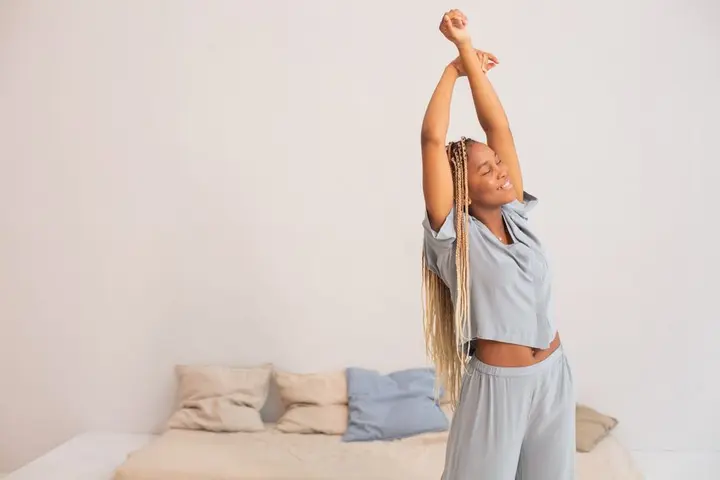
Give a favourite piece more wear by pairing it with items beyond its original set. A soft lounge top may work with relaxed trousers at home, then with a long cardigan and clean trainers for a casual outing. Choose combinations that feel natural rather than forcing a sleepwear item into an unsuitable setting.
- Build outfits around items you already wear often.
- Choose colours that combine easily with your wardrobe.
- Fill a real wardrobe gap before buying another duplicate.
A small colour palette makes mixing easier. If your core pieces share a few compatible shades, a new robe or pair of trousers can work with several tops instead of only one. You can still add a print or accent colour; repeating one tone elsewhere helps the outfit feel connected.
Before buying another similar item, check what is missing from the outfits you already wear. Perhaps you need a light layer, a better-fitting bottom, or a top that works beneath a coat. Filling that practical gap is more likely to expand your options than adding another version of a piece you rarely reach for.
Refresh and Care for Staples
Good care helps comfortable staples remain presentable between wears. Follow the garment label, fasten closures before washing, and separate pieces that could snag delicate knits or smooth fabrics. Drying items as directed can help prevent unwanted shrinkage or loss of shape.
Store loungewear where you can see and reach it, rather than leaving favourite pieces buried beneath occasional clothes. Fold soft knits to avoid stretching them on hangers, and hang garments that crease easily when their care label allows. An orderly drawer makes it easier to assemble an outfit quickly.
Review your loungewear as the seasons change. Keep breathable pieces accessible in warmer weather and bring forward cosy layers when temperatures drop, while setting aside items that no longer fit or feel comfortable. This simple edit shows what you genuinely wear and helps guide more thoughtful future purchases.
- Follow the care label for washing and drying.
- Fold stretchy knits instead of hanging them.
- Revisit the wardrobe as the seasons change.
Frequently asked questions
Can loungewear be worn for casual outings?
Yes, if the pieces are clean, comfortable, and suited to the setting. Pair relaxed trousers or a simple lounge top with a structured layer and shoes you would normally wear outside. Check that the fabric is opaque and that the outfit stays comfortable when you walk or sit. A small change in footwear or outerwear can make a home outfit feel more intentional.
How can I make a matching set look less like sleepwear?
Wear one piece with a different item from your wardrobe, such as pairing matching trousers with a plain knit top. Alternatively, add a neat cardigan or jacket and shoes that suit your plans. Choose a set with a clear shape and fabric that holds its appearance. These small changes create contrast while keeping the comfort and ease of the original pieces.
What should I look for in summer loungewear?
Look for breathable-feeling fabrics, easy cuts, and details that do not cling when the weather is warm. Check the fabric composition and care label rather than relying on a product name such as “lightweight.” Loose sleeves, comfortable waistbands, and pieces that can be worn separately also help you adjust an outfit through the day.
How do I keep loungewear from looking untidy?
Start with pieces that fit well at the shoulders, waist, and hems, even when their overall cut is relaxed. Keep garments in good condition by following care instructions and removing items that have lost their shape. A coordinated colour palette and one clean outer layer can also make simple separates look deliberate without adding discomfort.
Bring Comfort into Your Everyday Wardrobe
The most useful loungewear earns its place through comfort, dependable fit, and easy combinations. Choose fabrics that suit how you will wear and care for them, then balance relaxed shapes with clean lines and practical layers. When shopping online, use garment measurements, fit notes, and care details to make a considered choice instead of relying on appearance alone.
Start with one piece you already love and build two outfits around it: one for home and one for a casual outing. Notice what makes each combination comfortable and polished, then use that insight to guide your next purchase. A thoughtful wardrobe grows from pieces that work together, not from buying more for its own sake.