16 min read · Updated: 2026-11-29
Most people can wash pajamas after every few wears, but nightly wear, warm weather, sweating, illness, or stains may call for washing after each use. If your sleepwear stays dry and you shower before bed, you can often wear it longer. Check the fabric care label, since delicate materials may need a gentler wash rather than a less frequent one.
A simple routine keeps sleepwear fresh without putting unnecessary strain on the fabric: air pajamas out after wearing, separate delicate pieces, and use the care label to choose the wash method. Pay attention to smell, marks, and how the garment feels; those clues are more useful than following a rigid schedule.
This guide explains what changes wash frequency, how to spot when pajamas need laundering, and how cotton, satin, and other fabrics respond to washing. You’ll also find practical care steps and signs that a worn pair may be ready to replace.
- Wash pajamas after a few wears, or sooner if they are sweaty, stained, damp, or musty.
- Use the care label to choose a safe wash and drying method for each fabric.
- Air sleepwear between wears, but do not treat airing as a substitute for washing.
- Replace pajamas when damage, worn elastic, or a poor fit cannot be fixed.
What Determines How Often Pajamas Need Washing
Start With Wear And Conditions
For most wearers, washing pajamas after a few nights is a practical starting point; wash them sooner if they become damp, stained, or noticeably musty. Sleeping in a cool room and putting on clean sleepwear after a shower can help a pair stay fresh longer. Adjust the routine to how your body and fabric respond.
Heat and perspiration make pajamas less comfortable to rewear, especially when fabric stays close to the skin overnight. If you wake up sweaty, change into a clean pair rather than airing out the damp one for another night. Skin products, body oils, and food spills can also leave residue even when a garment looks clean.
If you are adding pajamas to your rotation from an international shop, checking bugünkü döviz kurları can help you understand the currency behind the listed price. More pairs in rotation can make it easier to leave each garment airing between wears, but buying extra is not essential. A consistent wash routine matters more than the size of your wardrobe.
- Wash after heavy sweating.
- Treat visible stains promptly.
- Air dry pajamas between wears.
- Use a clean pair after illness.
Personal Habits Change The Schedule
Your bedtime routine affects how quickly pajamas need washing. If you shower before bed, wear a clean layer, and sleep in a cool room, your sleepwear may remain fresh longer than pajamas worn after a full day. People who use rich body lotions may notice oil marks sooner, particularly on pale or smooth fabrics.
Consider whether pajamas touch only clean skin or are worn around the house for hours before bedtime. Daytime wear adds contact with food, furniture, and household dust, so laundering after that use may make sense. A dedicated sleep set usually needs less frequent washing than a set worn from morning to night.
Keep a simple rotation rather than relying on memory: place worn pajamas in the laundry hamper and clean ones in a separate drawer. If you are unsure whether a pair is ready for another wear, check the underarms, neckline, and waistband for odor or residue. When in doubt after illness or heavy sweating, wash it.
Clues That It Is Time for a Fresh Pair
Notice Odor And Visible Marks
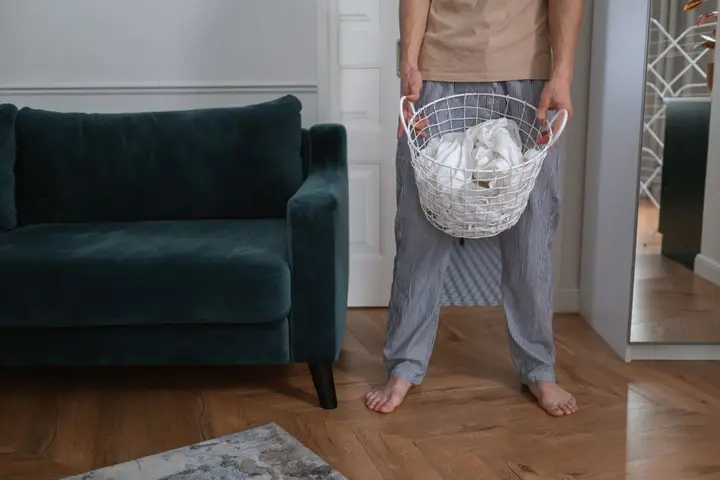
A lingering smell is a clear reason to wash pajamas, even if they look spotless. Check the collar, underarms, and waistband, where sweat, body oils, and skincare products tend to collect. Treat a visible mark before it sets, following the garment label and testing any stain treatment on an inconspicuous area first.
Dampness also matters: sleepwear that feels clammy after a warm night should go into the wash rather than straight back into the drawer. Letting it dry on a hanger can prevent a musty smell while it waits for laundry, but drying alone does not make a sweaty garment clean. Keep damp pieces away from clean clothing.
A common mistake is to judge cleanliness by appearance alone, especially with dark colors that hide marks. Another is spraying perfume or fabric freshener over odor instead of laundering the garment; fragrance can cover a smell without removing its source. If pajamas smell fresh after airing and show no residue, decide based on your usual wear and skin comfort.
Respond To Skin And Illness
Wash pajamas after a night of heavy sweating, and use a fresh pair when you are ill or have had a spill. This reduces the chance of carrying sweat, bodily fluids, or residue into another night. Wash them according to the care label, and keep heavily soiled items apart from clean laundry until they are laundered.
If pajamas feel irritating or unusually stiff, residue from detergent or fabric softener may be the cause, rather than a need to replace them. Try using less detergent and an extra rinse if the care label allows. Stop wearing a garment that has a persistent odor or damaged seams until you have checked whether it can be cleaned or repaired.
Avoid turning every small change in how fabric feels into a reason for an extra wash, since repeated laundering can wear fibers. Instead, inspect the garment in good light and consider whether the sensation began after a new laundry product or a particularly warm night. That distinction helps you choose between washing, rinsing, or simply airing it.
- Change after heavy sweating.
- Use clean sleepwear during illness.
- Keep wet or soiled items separate.
- Rinse if detergent residue is suspected.
How Fabric Affects Your Washing Routine
Match Care To The Material
Cotton pajamas usually tolerate regular machine washing, while satin, silk, and delicate blends may need cooler water, a gentle cycle, or hand washing. Always read the care label before choosing a method, because finishes and fiber blends can change what is safe. When a label says dry clean, follow that instruction rather than guessing.
- Using a hot cycle on delicate fabric; choose the label-approved temperature instead.
- Washing satin with rough towels; separate smooth sleepwear to reduce friction.
- Assuming every blend has the same care needs; check its garment label.
When setting a budget for a replacement pair, a dolar TL çevirici can make a dollar-denominated price easier to compare with your local spending money. For care, use the same attention to detail: identify the fabric first, then choose detergent and washing conditions that suit it. A gentle approach helps preserve color, shape, and surface feel.
Use a mesh laundry bag for lightweight or embellished sleepwear, and fasten buttons or ties before washing to reduce snagging. Turn printed or dark pajamas inside out to limit friction on the visible surface. Avoid mixing delicate garments with rough items such as towels, whose texture can cause pilling or abrasion.
- Cotton: follow the label for machine washing.
- Satin: use a gentle cycle or hand wash if directed.
- Silk: follow specific label instructions.
- Blends: check the care label before washing.
| Fabric | Washing approach | Drying approach |
|---|---|---|
| Cotton | Machine wash as label directs | Lower heat or air dry |
| Satin | Gentle cycle or hand wash if directed | Air dry if label allows |
| Silk | Follow specific care label | Lay flat or hang as directed |
| Blends | Check label for fiber-specific care | Use the gentlest approved method |
Choose A Gentle Drying Method
Heat from a tumble dryer can shrink some fabrics, weaken elastic, or dull a smooth finish, so check the label before using one. For delicate pajamas, reshape the garment and lay it flat or hang it where air can circulate. Keep silk and other sensitive pieces out of direct sunlight to help protect their color.
Cotton often offers more drying flexibility, but high heat can still affect fit over time. If machine drying is permitted, use a lower setting and remove pajamas while slightly damp, then finish drying them on a hanger. Avoid leaving garments bunched in the dryer, where creases can set and elastic may take extra strain.
The comparison below is a starting point, not a substitute for the garment label. Fiber blends and special finishes can change the recommended method, even when two sets look similar. When the label is missing, choose the gentlest practical option and test how the fabric responds before making it part of your regular routine.
Separate pajamas by color and fabric before washing, and close fastenings so they do not catch on other garments.
Washing Pajamas Without Damaging Them
Prepare The Load Carefully
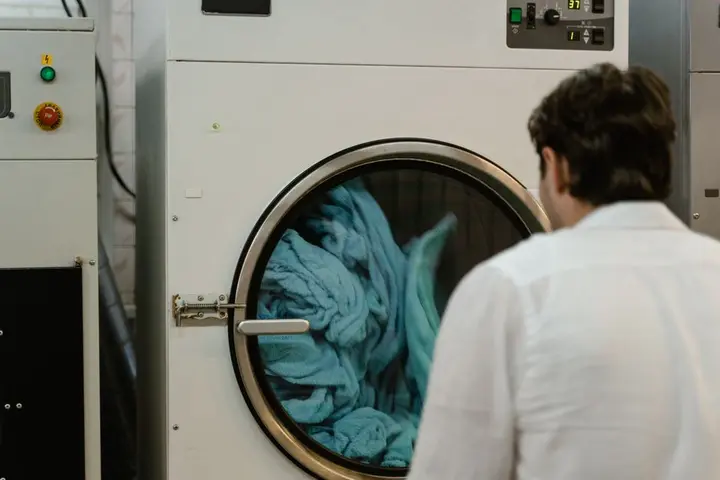
Separate pajamas by color and fabric before washing, and close fastenings so they do not catch on other garments. Empty pockets and turn delicate or printed pieces inside out. A mesh bag can protect thin straps, lace, and lightweight fabric while still allowing detergent and water to circulate.
- Separate colors and delicate fabrics before washing.
- Use a mesh bag to protect lightweight details.
- Choose detergent and temperature by the care labels.
Use the detergent amount and water temperature recommended on the product and garment labels; excess detergent can remain in the fibers and make sleepwear feel stiff. Avoid overcrowding the machine, since tightly packed clothes may not rinse or clean evenly. Wash delicate pajamas with similarly gentle items rather than heavy towels or jeans.
Treat fresh stains before the wash, but do not scrub fragile fabric aggressively. Blot a spill with a clean cloth, then use a suitable stain treatment only if the care label permits it. Avoid bleach unless the label specifically allows it, because it can fade colors and weaken fibers.
Finish And Store With Care
Remove pajamas from the washer soon after the cycle ends to prevent damp odors and deep creases. Shake each piece gently, reshape seams, and dry it using the method on the care label. Make sure garments are fully dry before folding them into a drawer, where trapped moisture can create an unpleasant smell.
Store clean sleepwear in a dry, well-ventilated space, with delicate pieces folded rather than crushed under heavier garments. If you hang satin or other slippery fabric, use a hanger that supports the shoulders without stretching thin straps. Keep clean pajamas separate from worn ones so they do not pick up moisture or odors.
Replace a pair when repairs no longer restore a comfortable fit, or when fabric has persistent thinning, holes, or damaged elastic. Small loose seams may be mendable, so inspect them before discarding the garment. Retiring worn sleepwear is a practical choice when it no longer feels comfortable or provides the coverage you want.
- Take garments out promptly after washing.
- Dry completely before storing.
- Repair small seam problems when practical.
- Replace pieces with persistent damage or poor fit.
Build a Practical Sleepwear Rotation
Choose Enough for Your Routine
Keep enough pajamas in rotation to allow a clean pair while the previous set is waiting to be washed or dried. Your usual laundry schedule, how quickly clothes dry, and whether you prefer a fresh set each night all affect the number that feels practical. A rotation prevents one favorite pair from taking all the wear.
- Check how often you do laundry.
- Count the nights between wash days.
- Set aside a clean pair for each night.
- Add a spare for delays or slow drying.
Start by noticing how many nights pass between laundry days, then set aside a clean pair for each of those nights. Add a spare if laundry sometimes gets delayed or a set needs extra drying time. This is a more useful guide than buying a fixed number, since households and washing routines differ.
You do not need several matching sets to make a rotation work. Mix comfortable everyday pajamas with a lighter or warmer option that suits changing room temperatures. Keep the most delicate pair for nights when you can handle it gently, rather than making it your only clean choice.
Separate Everyday and Delicate Sets
Give frequently worn pajamas a place in your everyday rotation, and keep delicate sets apart so they are not pulled into every laundry load. This makes it easier to follow garment-care labels and reduces needless handling of fine fabrics. It also helps you see which pairs are clean without searching through a mixed drawer.
For example, cotton pajamas can serve as regular options while a satin set stays available for occasional wear. Store clean pieces in a dry drawer, and avoid packing them tightly against damp laundry. If a set has special care instructions, keep its label accessible or make a simple note for wash day.
A rotation should remain flexible rather than turning into a strict schedule. If you wear one pair for only part of a night, decide whether it needs washing based on sweat, spills, and how it feels, not simply because it was next in line. This prevents both unnecessary washing and wearing a pair that no longer feels fresh.
Plan for Replacing Worn Pajamas

Judge Wear Beyond Appearance
Replace pajamas when damage affects comfort, coverage, or reliable use, not merely because the fabric has softened. Check seams, elastic, fastenings, and thin areas after washing, since repeated wear can reveal problems that are easy to miss while a garment is folded. A small loose thread may be repairable; a seam that keeps opening may not be. Before ordering sleepwear priced in dollars, check dolar kaç TL to estimate its cost in Turkish lira and compare it with the checkout total.
- ☐ Inspect seams and fastenings.
- ☐ Check elastic for a secure fit.
- ☐ Look for thin patches or holes.
- ☐ Retire pieces that disrupt comfort or coverage.
Elastic that no longer holds a waistband in place can make a set uncomfortable through the night. Likewise, persistent holes, rough patches, or a fastening that catches against skin are practical reasons to retire a pair. If a garment remains comfortable and intact, fading alone does not necessarily mean it has reached the end of its useful life.
Consider whether the pajamas still suit how you sleep and move. A once-comfortable top may now twist or ride up, while trousers may feel restrictive after elastic loses its stretch. Keep an eye on these changes during ordinary dressing, so replacement becomes a considered choice instead of a rushed response to a wardrobe failure.
Repair, Reuse, or Retire
A minor fault can sometimes be repaired before you replace the whole set. A loose button or a short seam opening may be easy to fix, provided the repair does not leave a rough edge against your skin. After mending, wash and wear the garment once to check that the problem has actually been resolved.
If pajamas are too worn for comfortable sleep but remain clean and intact, consider whether they have another suitable use at home. Do not keep a pair that irritates your skin or exposes more than you want, simply because it has sentimental or practical value. Comfort and coverage should guide the decision.
When a set is no longer wearable, remove it from the clean-pajama rotation promptly. This avoids reaching for it on a tired evening and discovering the defect at bedtime. Before buying a replacement, note what failed—such as weak elastic or a scratchy seam—so the next choice can address the specific problem.
Compare Sleepwear Prices Before Ordering
Check the Full Order Cost
Compare the complete cost of an order rather than relying on the displayed garment price alone. Delivery charges, taxes, and any return costs can change what you actually pay, especially when ordering from an international shop. Review the final checkout total before confirming, and check whether the retailer states that extra charges may apply.
Before placing an order priced in dollars, checking dolar kaç TL can help you estimate the cost in Turkish lira. Treat that estimate as a guide, since the rate used by your card provider or payment service may differ from a displayed conversion. Include possible fees when deciding whether the purchase fits your budget.
Compare like with like by checking fabric, construction, and the number of pieces included in each set. A lower-priced pair may have a different fabric or fewer components, so the headline figure alone is not a fair comparison. Read the product details and care instructions before deciding that two options offer equivalent value.
Weigh Value Against Use
A useful comparison considers how often you expect to wear the pajamas and whether they suit your care routine. A delicate set that needs special handling may be less convenient as an everyday choice than a washable pair you can use regularly. Think about comfort, fit, and care together, rather than treating price as the only deciding factor.
Imagine choosing between a simple cotton set and a more delicate satin option. If you want pajamas for frequent wear and straightforward laundering, the cotton set may better match that purpose; if you want a particular smooth feel for occasional use, satin may meet a different need. Neither choice is automatically better without considering your habits.
Read sizing information and product descriptions carefully, especially when buying online. A low price is poor value if the fit is uncomfortable or the fabric does not suit the season you had in mind. Check return conditions before ordering, and keep the packaging or order details until you are sure the pair works for you.
Small Habits That Help Pajamas Last Longer

Handle Sets Gently Between Washes
Let pajamas air briefly after wearing if they are dry and free of noticeable soil, rather than leaving them bunched on the bed or floor. Hang them over a chair or place them in a ventilated laundry area so trapped warmth can dissipate. This small habit helps keep the garment fresher while it waits for its next wash.
Treat spots promptly, using a gentle method that suits the fabric-care label instead of rubbing hard at the weave. Strong friction can roughen delicate surfaces or stretch knit fabric, while leaving a stain to set can make later cleaning more difficult. Test any unfamiliar treatment on an inconspicuous area first.
Keep pajamas away from damp towels and used workout clothes in the laundry basket. Moisture and residue from other garments can transfer, making sleepwear smell or feel less fresh before washing. A separate breathable bag or a dedicated corner of the hamper helps keep worn items organized without sealing damp fabric inside plastic.
Store Clean Pairs Carefully
Put pajamas away only when they are fully dry, since even slight dampness can leave fabric musty in a closed drawer. Fold sets loosely or hang them if the fabric creases easily, and avoid squeezing delicate pieces beneath heavy clothing. A little space makes it easier to select a pair without pulling at the fabric.
Keep clean sleepwear in a dry, tidy place, away from direct sunlight that can fade some fabrics over time. Store delicate pieces separately from items with hooks or rough fastenings that might snag them. If you use drawer organizers, choose smooth compartments and avoid overfilling them.
Before putting on a stored pair, check that it still feels fresh and that the fabric has no new snag or damage. If it smells stale, air it out and decide whether it needs washing rather than wearing it automatically. Simple checks at the point of use can prevent discomfort and keep the rotation dependable.
Frequently asked questions
Should I wash pajamas before wearing them for the first time?
Washing a new pair before its first wear is a sensible choice if the care label allows it. It removes dust or handling residue from storage and gives you a chance to see how the fabric responds to laundering. Follow the garment instructions, and avoid a first wash that is harsher than the label recommends.
Can I wear the same pajamas for more than one night?
You can, if they remain dry, clean, and comfortable, and you have not sweated heavily or spilled anything on them. Consider how warm you sleep and whether the fabric feels fresh when you get dressed. If there is odor, visible soil, or a clammy feel, put on a clean pair rather than extending the wear.
Is it safe to wash pajamas with other clothes?
It can be, as long as the garments have compatible care instructions, colors, and wash settings. Separate delicate sleepwear from items with zippers, hooks, or rough surfaces that could snag it. Washing similar fabrics together also makes it easier to choose a suitable cycle and avoid exposing a fragile set to unnecessarily rough treatment.
How should I handle pajamas that still smell after washing?
Check the care label and wash them again using an appropriate cycle, making sure the machine is not overloaded. Residue from detergent or a garment that stayed damp can contribute to lingering odor, so use the recommended amount of detergent and dry the pair fully. If the smell persists, inspect the fabric and washing process before wearing it again.
Keep Your Sleepwear Fresh and Comfortable
A reliable pajama routine depends on how often you wear each pair, how your body and room affect freshness, and what the fabric can tolerate. Keep enough clean options for your laundry rhythm, follow care labels, and check for wear that interferes with comfort or coverage. Wash when a pair is soiled or no longer feels fresh, and do not confuse airing with cleaning.
For your next laundry day, sort one or two favorite sets by fabric and check their labels before choosing a cycle. Then inspect seams, elastic, and fit as you put them away. Those small checks help you decide which pairs belong in regular rotation, which need gentle handling, and which are ready to be repaired or replaced.