16 min read · Updated: 2026-11-28
The best bridal sleepwear is a set that feels comfortable, fits securely, and suits how you plan to wear it—from getting ready on the wedding morning to relaxing on your honeymoon. Consider the setting, fabric, and amount of coverage you prefer, then choose pieces you can wear again, such as a nightgown, pajamas, or a robe.
Start by deciding whether you want a coordinated set or separates that work with pieces already in your wardrobe. Check the fit while sitting, stretching, and moving around, especially if you expect to wear the outfit while getting ready or having photographs taken.
Use the guide below to compare common styles, fabrics, and finishing details. A thoughtful choice can feel special for the occasion without sacrificing ease or becoming something you only wear once.
- Choose sleepwear around how you will use it on the wedding morning, honeymoon, and afterward.
- For getting ready, look for an opening that is easy to remove without disturbing hair or makeup.
- Compare nightgowns, pajamas, and robes by coverage, comfort, and how well each piece works on its own.
- Check fit, fabric feel, care instructions, and details before packing your set.
What Bridal Sleepwear Includes
The Core Pieces
Bridal sleepwear can mean a nightgown, pajama set, robe, or a coordinated combination of these pieces. Some brides choose one outfit for the wedding morning, while others pack a separate set for sleeping and a robe for getting ready. The right choice depends on comfort, coverage, and how you expect to use each item.
- Choosing a robe without checking whether it closes comfortably; look for enough overlap at the front.
- Buying a decorative set that is uncomfortable to sleep in; choose a separate sleep set if needed.
- Assuming every item must match; coordinate colors or details instead when that gives you more wearable pieces.
A robe is useful as a layer over a nightgown or camisole and shorts, particularly while hair and makeup are being done. Pajamas offer more coverage and can feel familiar for lounging or sleeping. A nightgown keeps the outfit simple, while a matching set can create a more polished look.
Before buying, list the moments you want the pieces to cover: dressing, relaxing, sleeping, or sharing a celebratory morning with your wedding party. A boutique documenting its sleepwear collection may find white label link building useful for its own marketing. For your own set, choose pieces that suit your plans rather than buying every matching item.
Plan Around Each Occasion
Treat the wedding morning, honeymoon, and later nights as separate uses when choosing your set. A robe can be convenient over getting-ready clothes, while soft pajamas may be better for travel and sleep. Thinking through these moments helps you decide whether one versatile outfit is enough or a few pieces make more sense.
For getting ready, consider whether the outfit will be worn around other people or photographed. A robe with a secure tie and comfortable coverage can be practical, while a nightgown may suit a quieter morning. For the honeymoon, favor pieces that pack easily and feel good for extended lounging.
Pieces you will wear after the wedding can make the purchase more useful. Look for a robe that works over ordinary sleepwear or pajamas in a color you already enjoy wearing. If a set feels too occasion-specific to use again, consider keeping the special detail to one item, such as a trim or embroidery.
How to Choose for the Wedding Morning
Prioritize Getting Ready
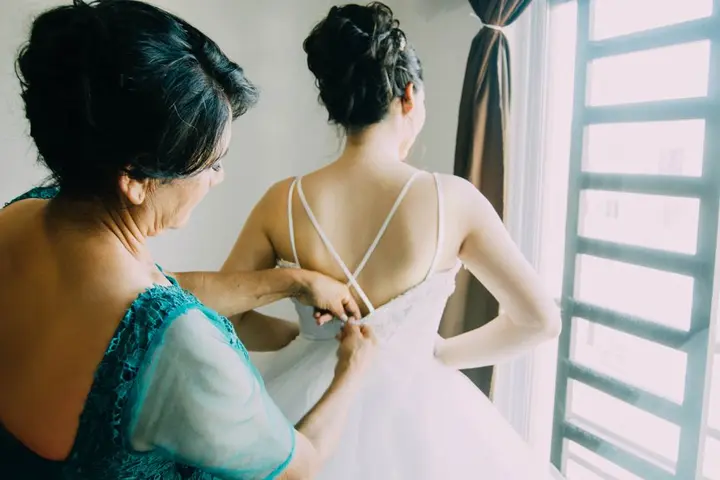
Choose a wedding-morning outfit that can be removed without disturbing your hair or makeup. A robe, wrap-style top, or button-front pajama shirt is easier to take off than a close-fitting top that must pass over your head. Wedding-content publishers looking for editorial outlets may find a guest post marketplace relevant to a separate publishing project.
Think about the room, the people present, and how long you will wear the outfit. A lightweight layer can be comfortable in a warm room, while a longer robe or pajama set may feel better in a cool one. If photographs are planned, check that the garment stays closed when you move.
Try the outfit with the underwear or base layer you expect to wear underneath. Bend, sit, and raise your arms to see whether the hem shifts or the neckline gapes. If you will change into your dress afterward, make sure the outfit comes off easily and does not leave marks from tight elastic or a bulky tie.
- Choose an opening that does not go over your head.
- Check coverage while sitting and reaching.
- Match the fabric weight to the room.
- Test the robe tie or closures before the day.
Coordinate Without Overmatching
A coordinated look does not require every person or piece to wear an identical outfit. Brides can keep their own sleepwear distinct while choosing a shared color family or a similar robe style for the wedding party. This makes the bride easy to recognize without making anyone wear a cut or fabric they dislike.
If you are buying for others, prioritize an adjustable fit and a style that offers comfortable coverage. A robe can be easier to size than fitted pajamas, but sleeve length and wrap overlap still matter. Ask about preferences before ordering, and avoid assuming that one silhouette will suit everyone.
Keep accessories simple so they do not interfere with getting ready. Slippers can help on cold floors, while a hair wrap or clips should be chosen for practical use rather than treated as part of the sleepwear itself. Lay out the full outfit in advance to spot missing pieces or colors that clash.
Nightgowns, Pajamas, and Robe Sets
Compare the Main Styles
Choose a nightgown for a simple, light outfit, pajamas for familiar coverage, or a robe set for layering and a coordinated appearance. Boutique owners planning promotional content can use a resource to buy sponsored posts, though this is separate from choosing sleepwear. For the set itself, consider what you will wear during the day and what feels comfortable at night.
A nightgown can work well when you want one piece with minimal fuss, but check its length and neckline as you move. Pajamas provide a top and bottom that can be worn separately, which may make them more versatile. A robe adds a layer, but it should not be the only piece you rely on for coverage.
Consider how each option handles your routine. A pajama set may be practical for breakfast or lounging, while a gown can feel less restrictive in warm conditions. If you select a robe set, check that the inner garment is comfortable on its own; the robe may come off when you sleep or move around.
| Style | Best use | Check before buying |
|---|---|---|
| Nightgown | Simple sleep or lounging | Length and neckline |
| Pajamas | Coverage and versatility | Waistband and fit |
| Robe set | Layering while getting ready | Overlap and tie security |
Build a Wearable Combination
Combine pieces according to function rather than buying a complete set by default. A robe over a nightgown gives you an easy layer, while a pajama shirt can pair with shorts or long pants depending on the temperature. Choose a shared color or trim to make separate items look intentional together.
Check that the robe length and sleeves work with the base layer. A long robe may bunch over wide-leg pajama pants, while a short wrap can leave more of the outfit visible. Try the pieces together before the wedding so you can adjust the combination or choose a different layer.
A small set of repeatable pieces can serve different parts of the trip. For example, a robe can go over pajamas in the morning, while the pajama top can be worn with another comfortable bottom. Prioritize combinations that feel natural to wear separately, since that makes the set more useful beyond the occasion.
If you are sensitive to seams or slippery surfaces, try the garment on and notice whether it shifts or rubs as you move.
Fabrics and Details to Compare

Match Fabric to Comfort
Choose fabric by how it feels against your skin and how warm you expect to be, rather than by appearance alone. Satin often gives a smooth, polished finish, while cotton can feel familiar and breathable. A bridal retailer announcing a new collection may need press release distribution uk as a separate business task; for your set, focus on the hand-feel and care instructions.
Texture matters during a long morning or overnight wear. If you are sensitive to seams or slippery surfaces, try the garment on and notice whether it shifts or rubs as you move. Consider the room temperature and whether you tend to feel warm or cool before choosing a heavier or lighter fabric.
Check the care label before deciding, especially if the item will travel or be worn soon after purchase. Some fabrics may need gentler washing or careful drying, which can be inconvenient during a trip. Choose a finish you can maintain comfortably, and follow the garment’s care directions to help preserve its shape.
Check Fit and Finishing
A good fit should allow you to sit, stretch, and sleep without pulling at the shoulders, waist, or hips. Check elastic for a comfortable hold and confirm that straps stay in place when you move. If ordering online, compare your measurements with the garment’s size guide instead of relying only on your usual size.
Look closely at details that affect daily comfort, including seams, closures, hems, and decorative trim. Lace can add a delicate finish, but it should not scratch or press into the skin. Buttons and ties should stay secure without feeling bulky, especially if you plan to lounge or sleep in the outfit.
Try the complete combination before packing it, including the robe and any base layer. Check for fabric that catches on jewelry, hems that drag, or a tie that loosens when you walk. If a detail causes discomfort during a short try-on, it is unlikely to feel better during a longer morning or night.
Common Bridal Sleepwear Mistakes
Choosing Appearance Over Ease
A beautiful set should still let you sit, reach, and sleep without adjusting it constantly. Try the pieces in the positions you expect to use them: standing for photographs, sitting to get ready, and lying down for a rest. If a tie, cup, or seam shifts during these movements, choose a more secure cut.
A dramatic robe can look lovely for a few portraits but feel cumbersome when you are dressing or moving between rooms. Check its sleeve width and hem length, especially if you will carry a dress or step around luggage. Brands seeking outside help with publishing campaigns may consider guest posting services uk separately from decisions about bridal sleepwear.
Think about the whole morning rather than a single photograph. A matching set may feel polished, while a simple, comfortable nightdress can make changing easier beneath a hairstyle or makeup. Choose details that suit your plans, and avoid trims or fastenings that could catch on a veil, jewellery, or delicate clothing.
Overlooking Practical Details
Check how each garment opens before choosing it for a busy wedding morning. A button-front or wrap style can be easier to remove than a close-fitting top that must pass over styled hair. Consider whether you can change without disturbing makeup, and make sure closures do not press uncomfortably when you sit.
Do not assume a set will fit as expected just because one piece feels right. A robe may fit comfortably while its matching shorts pull at the waist, or a camisole may need different support from the bottoms. Review the fit guidance for each item and check whether pieces are sold as a coordinated set or separately.
Also consider what happens after the photographs. A long train of fabric can drag across a hotel floor, while slippery straps may need repeated adjustment. If a garment seems inconvenient during a quick try-on, it is likely to be more noticeable when you are tired, packing, or moving between rooms.
Fit, Comfort, and Care Tips
Check Fit Before the Event
Use the garment’s size guide rather than choosing by habit, since cuts and measurements differ between styles. Compare your measurements with the chart and pay particular attention to the bust, waist, and hip if the piece is fitted. A sleepwear business seeking marketing support can consult a marketing agency directory; shoppers do not need one to assess fit or comfort.
- Use the size guide for the specific garment.
- Test movement, not just appearance.
- Try every planned layer together before the event.
When trying a set, move naturally instead of judging it only in front of a mirror. Sit, lift your arms, bend to pick something up, and check whether straps stay in place or waistbands dig in. Any pulling across the hips or chest suggests a different size or cut may offer easier movement.
Leave enough time to try the full outfit before the wedding, including the robe and any layers you plan to wear. This lets you spot problems such as a slipping shoulder strap or a hem that catches underfoot. If you are between sizes, compare the brand’s fit notes and consider which piece needs more room.
Keep Delicate Pieces Looking Fresh
Read the care label before washing or steaming a bridal set, because delicate fabrics and trims may need gentler handling. Separate light colours from darker items, fasten closures, and place fragile pieces in a mesh laundry bag when the label permits machine washing. When unsure, follow the garment’s stated instructions rather than guessing.
Pack sleepwear so it does not become creased or snagged before the wedding. Fold smooth pieces loosely, keep hooks and embellishments away from fine fabric, and use a separate pouch for small accessories. If you plan to steam a garment, test a hidden area first and avoid direct heat on delicate decoration.
For a honeymoon or later wear, let sleepwear dry fully before putting it away. Damp fabric can pick up odours in a closed suitcase, and stretched straps may lose their shape if hung while wet. Store clean pieces in a breathable drawer or bag, with sharp fasteners secured away from softer garments.
Choosing Pieces You Will Wear Again
Prioritise Useful Separates
Choose separates that can work beyond the wedding morning, such as a camisole that pairs with comfortable shorts or lounge trousers. Neutral shades and simple finishes often combine more easily with pieces you already own. Before buying, picture at least one ordinary evening when you would reach for each item, not only the wedding day.
- ☐ Choose a colour that works with existing sleepwear.
- ☐ Check whether separates can be worn on their own.
- ☐ Pick a robe length that suits your routine.
- ☐ Consider how often each item is likely to be used.
A robe can earn regular use if its length, sleeves, and closure suit your routine. A lightweight wrap may be comfortable over sleepwear, while a thicker style could work for lounging in a cool room. Check whether its belt stays secure and whether the pockets, if present, are useful rather than decorative.
Look for coordinated pieces that do not depend on being worn together. A top with adjustable straps and plain bottoms may be more versatile than a set with matching details on every item. If you prefer a complete look for photographs, add one distinctive piece while keeping the remaining garments easy to mix and wear.
Match Style to Your Routine
Let your usual habits guide the choice between a nightdress, a pajama set, or separates. If you tend to feel warm while sleeping, a loose, lighter garment may be more comfortable than a layered outfit. If you like coverage when relaxing, a robe or longer top can make the set feel more practical.
Consider where and how you will wear the pieces after the celebration. A relaxed set may suit quiet mornings at home, while a more polished robe can feel appropriate when sharing accommodation. Choose details that reflect your taste, but avoid buying a garment solely because it appears especially bridal in photographs.
A wedding set can still feel memorable without becoming difficult to wear. A soft colour, neat piping, or a special monogram can add a personal touch while leaving the shape and fabric straightforward. Keep comfort at the centre, and choose one or two decorative details rather than several that might irritate or require extra care.
A Simple Checklist Before You Buy
Confirm the Essentials
Before ordering, check the size guide, fabric details, care instructions, and what the listing includes. Product photographs may show accessories or extra layers that are not part of the set, so confirm each piece in the description. If you need a particular colour or style for photographs, check that the chosen item matches your plan.
Think through the full sequence of wearing and changing. Make sure the neckline and closures work with your hairstyle, that the hem will not trail underfoot, and that the fabric feels comfortable against your skin. If buying separates, check that the tops and bottoms are compatible in both fit and colour.
For a realistic example, imagine a bride choosing a camisole, shorts, and a robe for a hotel morning. She checks that the top stays in place while reaching, the shorts feel comfortable when seated, and the robe closes securely for photographs. She also confirms the care label and packs the pieces together before travelling.
Make the Final Choice
Compare your shortlisted options by how well they fit the occasion and your ordinary routine. A set that looks polished, feels comfortable, and is straightforward to care for is often more useful than one with details you will rarely wear. Decide which feature matters most to you, then use it to break a close choice.
Check that the complete outfit is ready for the way you intend to use it. Try the pieces together, including any planned robe or layer, and confirm you can move and change without fuss. If one item feels wrong, consider replacing that piece rather than abandoning a combination whose other parts work well.
Keep the final purchase simple: choose a fit you trust, a style you enjoy, and pieces that have a place after the wedding. Re-read the listing before checkout so you know what is included and how the garments should be cared for. Then set the outfit aside clean, protected, and ready to wear.
Frequently asked questions
When should I buy bridal sleepwear?
Buy it early enough to try the complete outfit and address any fit or comfort issue before the wedding. Ordering well ahead also gives you time to read the care instructions and check whether the pieces work with your plans for getting ready. Avoid leaving the decision until the final packing rush, when there may be little time to reconsider.
Should bridal sleepwear match the wedding dress?
It does not need to match the dress exactly. You might choose a colour that complements your wedding palette, or select a simple shade that you will wear again. The more useful test is whether the set suits your taste, photographs well in the setting you have planned, and feels comfortable through getting ready and relaxing.
What should I wear under a bridal robe?
Choose an underlayer that feels secure and comfortable for sitting, standing, and moving around. A camisole and shorts, a nightdress, or another familiar sleepwear combination can all work, depending on the robe’s coverage and your preference. Try the layers together beforehand so straps, hems, or fastenings do not show or shift unexpectedly.
Can I wear bridal sleepwear after the honeymoon?
Yes, especially if you choose pieces that suit your ordinary routine as well as the wedding. Simple separates, a comfortable nightdress, or a practical robe can be worn long after the celebration. Look at each item individually and consider whether you would choose it for a quiet evening at home, rather than relying only on its bridal styling.
Choose a Set for More Than One Morning
The best bridal sleepwear brings together a comfortable fit, a style that feels like you, and practical details for getting ready. Think about how garments open, move, and layer, then check the care instructions and what each set includes. A robe or matching detail can make the outfit feel celebratory, while versatile separates help it earn a place in your wardrobe afterward.
Before you buy, shortlist the pieces you would genuinely wear, try them together, and move around in them as you would on the wedding morning. Make sure you can sit, reach, and change without adjusting the outfit constantly. Once the fit feels right and the garments suit your plans, pack them carefully and enjoy having one less decision to make.