
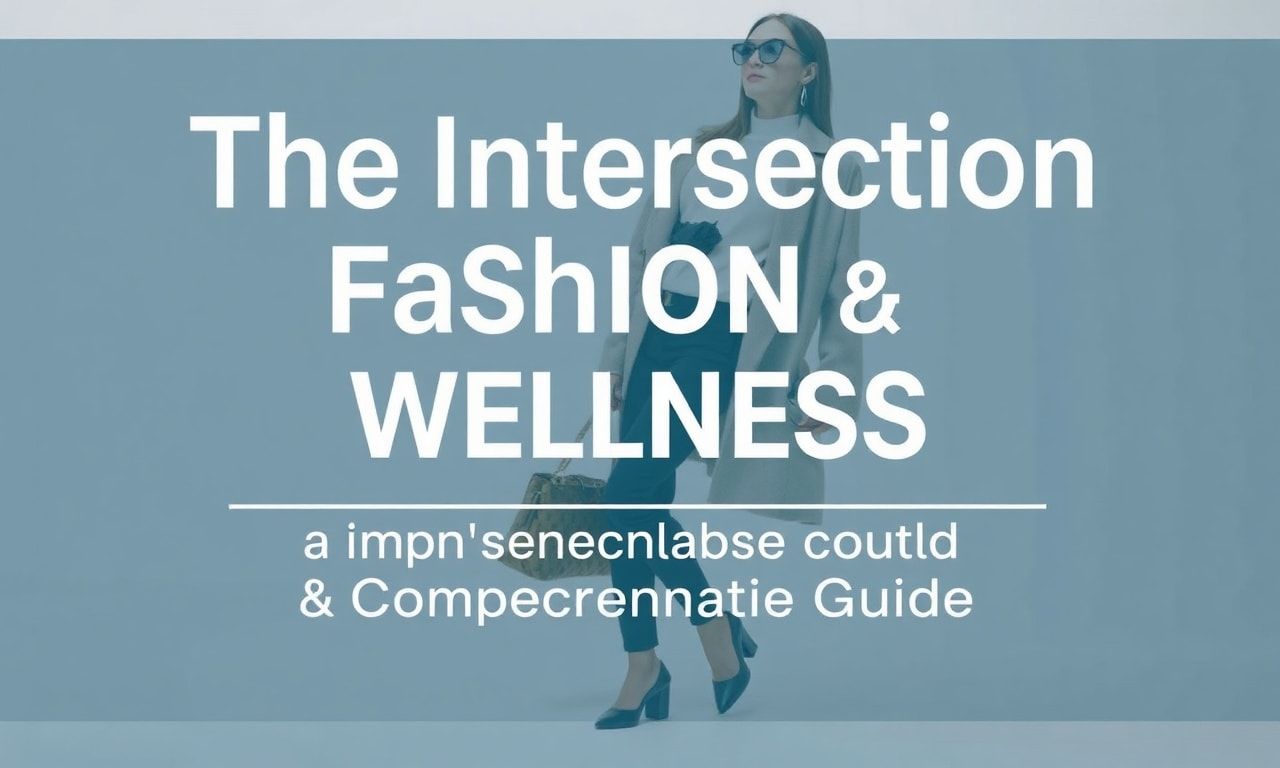
The Evolving Landscape of Fashion
The fashion industry is constantly evolving, with new trends and styles emerging every season. However, in recent years, there has been a significant shift towards a more holistic approach to fashion. This approach not only focuses on the aesthetic appeal of clothing but also on the overall well-being of the wearer. The intersection of fashion and wellness has given rise to a new wave of trends that prioritize comfort, sustainability, and self-care.
The Rise of Comfort Wear
One of the most notable trends in recent years is the rise of comfort wear. This trend has been driven by a growing emphasis on self-care and the need for clothing that supports both physical and mental well-being. Comfort wear includes a wide range of garments, from loungewear to athleisure, all designed to provide maximum comfort and ease of movement. These garments are often made from soft, breathable fabrics that are gentle on the skin and provide a sense of relaxation and tranquility.
In addition to the comfort factor, many brands are now incorporating wellness elements into their designs. For example, some brands are using fabrics infused with natural ingredients like aloe vera or chamomile, which have soothing properties and can help to reduce stress and anxiety. Others are incorporating features like UV protection or moisture-wicking technology to enhance the overall functionality of the garments.
The Role of CBD in Fashion
Another exciting development in the intersection of fashion and wellness is the use of CBD (cannabidiol) in clothing. CBD is known for its numerous health benefits, including its ability to reduce inflammation, alleviate pain, and promote relaxation. When incorporated into fabrics, CBD can provide these benefits directly to the skin, helping to soothe irritation, reduce redness, and improve overall skin health. For more insights on how CBD can enhance skin resilience, check out the CBD and skin resilience update.
Sustainable Fashion: A Wellness Priority
Sustainability is another key aspect of the wellness-focused fashion movement. As consumers become more aware of the environmental impact of their purchasing decisions, there is a growing demand for clothing that is not only stylish but also eco-friendly. Sustainable fashion prioritizes the use of natural, organic, and recycled materials, as well as ethical manufacturing practices that minimize harm to the environment and support fair labor conditions.
Brands that prioritize sustainability often use organic cotton, hemp, or bamboo, which are not only gentle on the skin but also have a lower environmental footprint. Additionally, many brands are adopting circular fashion practices, such as upcycling and recycling, to reduce waste and promote a more sustainable fashion ecosystem.
The Benefits of Sustainable Fashion
Sustainable fashion offers numerous benefits, both for the wearer and the planet. For the wearer, sustainable clothing is often made from high-quality, natural materials that are gentle on the skin and less likely to cause irritation or allergies. These garments are also designed to last longer, reducing the need for frequent replacements and ultimately saving money in the long run.
For the planet, sustainable fashion helps to reduce pollution, conserve resources, and support biodiversity. By choosing sustainable fashion, consumers can make a positive impact on the environment and contribute to a more sustainable future.
Self-Care and Fashion
Self-care is an essential aspect of overall well-being, and fashion plays a significant role in promoting self-care practices. Clothing that is comfortable, stylish, and functional can help individuals feel good about themselves, boost their confidence, and enhance their overall sense of well-being. Additionally, fashion can be a form of self-expression, allowing individuals to communicate their unique personality and style to the world.
Tips for Incorporating Wellness into Your Wardrobe
Incorporating wellness into your wardrobe is easier than you might think. Here are some tips to help you get started:
- Choose Comfortable Fabrics: Opt for fabrics that are soft, breathable, and gentle on the skin. Natural fibers like cotton, linen, and silk are excellent choices.
- Prioritize Sustainability: Look for brands that prioritize sustainability and ethical manufacturing practices. Choose garments made from organic, recycled, or upcycled materials.
- Invest in Versatile Pieces: Invest in versatile pieces that can be easily mixed and matched to create multiple outfits. This not only saves money but also reduces the need for frequent shopping.
- Incorporate Wellness Elements: Look for garments that incorporate wellness elements like CBD-infused fabrics, UV protection, or moisture-wicking technology.
- Express Yourself: Use fashion as a form of self-expression. Choose garments that make you feel good about yourself and reflect your unique personality and style.
Conclusion
The intersection of fashion and wellness represents a significant shift in the way we think about clothing. By prioritizing comfort, sustainability, and self-care, we can create a more holistic approach to fashion that supports both our well-being and the health of the planet. Whether you’re looking to update your wardrobe with comfortable, stylish pieces or incorporate wellness elements into your daily routine, there are countless ways to embrace this exciting new trend.
