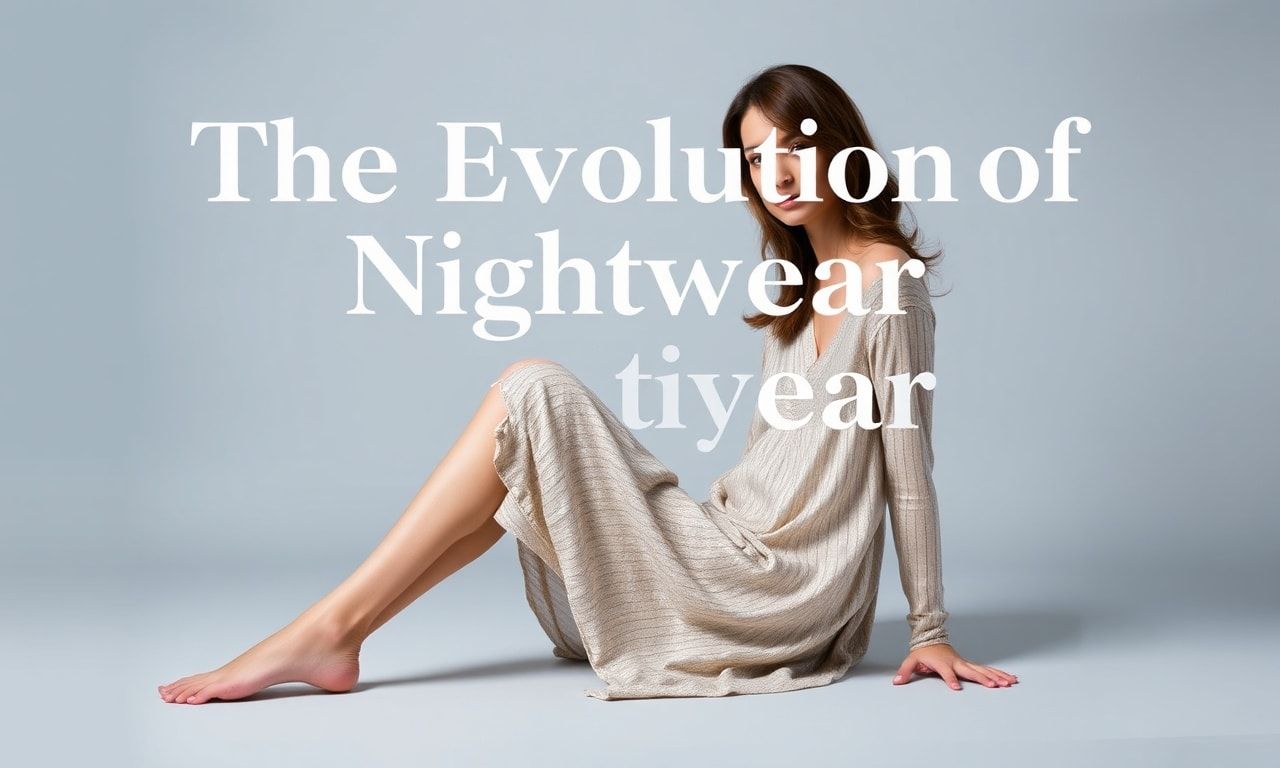
The Transformation of Nightwear
Nightwear has undergone a significant transformation over the centuries, evolving from mere practicality to a statement of personal style and luxury. What was once a simple necessity has now become a vibrant and diverse category in the fashion industry. The journey of nightwear reflects broader changes in society, technology, and cultural attitudes towards sleep, comfort, and self-expression.
The Historical Perspective
The earliest forms of nightwear were functional and utilitarian, designed to provide warmth and comfort during sleep. In ancient times, people wore simple tunics or shifts made from natural fibers like linen or wool. These garments were often plain and devoid of any decorative elements. As societies evolved, so did the concept of nightwear. By the medieval period, nightwear began to take on more elaborate forms, with wealthy individuals wearing silk and other luxurious fabrics.
During the Renaissance, nightwear became more ornate, reflecting the opulence of the period. Nightcaps and dressing gowns were introduced, adding a touch of elegance to the bedroom. The 18th and 19th centuries saw the rise of the nightgown, which was often worn by both men and women. These garments were typically made from fine fabrics like cotton and lace, and they featured intricate embroidery and delicate designs.
The 20th Century Revolution
The 20th century marked a significant shift in the perception of nightwear. With the advent of new fabrics and technologies, nightwear became more comfortable and versatile. The introduction of synthetic materials like nylon and polyester revolutionized the industry, making nightwear more affordable and accessible to a wider audience. This period also saw the rise of iconic nightwear brands that catered to different styles and preferences.
One of the most notable developments in the 20th century was the emergence of the negligee. This delicate and alluring garment became a symbol of femininity and sensuality. The negligee was often made from sheer fabrics like chiffon and lace, and it was adorned with intricate embellishments. The negligee not only served as a practical garment but also as a fashion statement, reflecting the changing attitudes towards sexuality and self-expression.
The Modern Era of Nightwear
Today, nightwear has become a vibrant and diverse category in the fashion industry. Designers are constantly pushing the boundaries of creativity, introducing innovative designs and materials that cater to a wide range of tastes and preferences. From luxurious silk pajamas to cozy fleece onesies, the options are endless. Nightwear is no longer just about functionality; it is about making a statement and expressing one’s personal style.
One of the most exciting trends in modern nightwear is the rise of loungewear. This category includes comfortable and stylish garments that can be worn both in the bedroom and around the house. Loungewear is perfect for those who value comfort and convenience, as it allows them to transition seamlessly from sleep to relaxation. Brands like Lululemon and Athleta have popularized this trend, offering a range of stylish and functional loungewear options.
The Influence of Pop Culture
Pop culture has played a significant role in shaping the trends of nightwear. From iconic movie scenes to celebrity endorsements, nightwear has become a part of mainstream fashion. For instance, the popularization of the youtube kanal önerileri popüler liste has introduced many people to the world of fashion and lifestyle content, including nightwear trends. These channels often feature stylish and trendy nightwear options, inspiring viewers to incorporate these trends into their own wardrobes.
Social media has also amplified the influence of pop culture on nightwear trends. Platforms like Instagram and TikTok are filled with influencers and fashion enthusiasts showcasing their nightwear collections. These posts not only provide inspiration but also create a sense of community among fashion lovers. The rise of hashtags like #NightwearFashion and #SleepInStyle has further popularized the trend, making nightwear a staple in the fashion industry.
The Future of Nightwear
The future of nightwear looks bright, with designers and brands continuously innovating and experimenting with new materials and designs. Sustainability is a growing concern in the fashion industry, and nightwear is no exception. Many brands are now focusing on eco-friendly materials and ethical production practices, catering to the increasing demand for sustainable fashion.
Technology is also playing a significant role in the evolution of nightwear. Smart fabrics and wearable technology are being integrated into nightwear designs, offering enhanced comfort and functionality. For example, temperature-regulating fabrics and moisture-wicking materials are becoming popular choices for nightwear. These innovations not only improve the quality of sleep but also cater to the needs of modern consumers.
Conclusion
Nightwear has come a long way from its humble beginnings as a simple necessity. Today, it is a vibrant and diverse category in the fashion industry, reflecting broader changes in society, technology, and cultural attitudes. As we look to the future, the evolution of nightwear continues to be shaped by innovation, sustainability, and the influence of pop culture. Whether you prefer luxurious silk pajamas or cozy fleece onesies, there is a nightwear option to suit every style and preference.