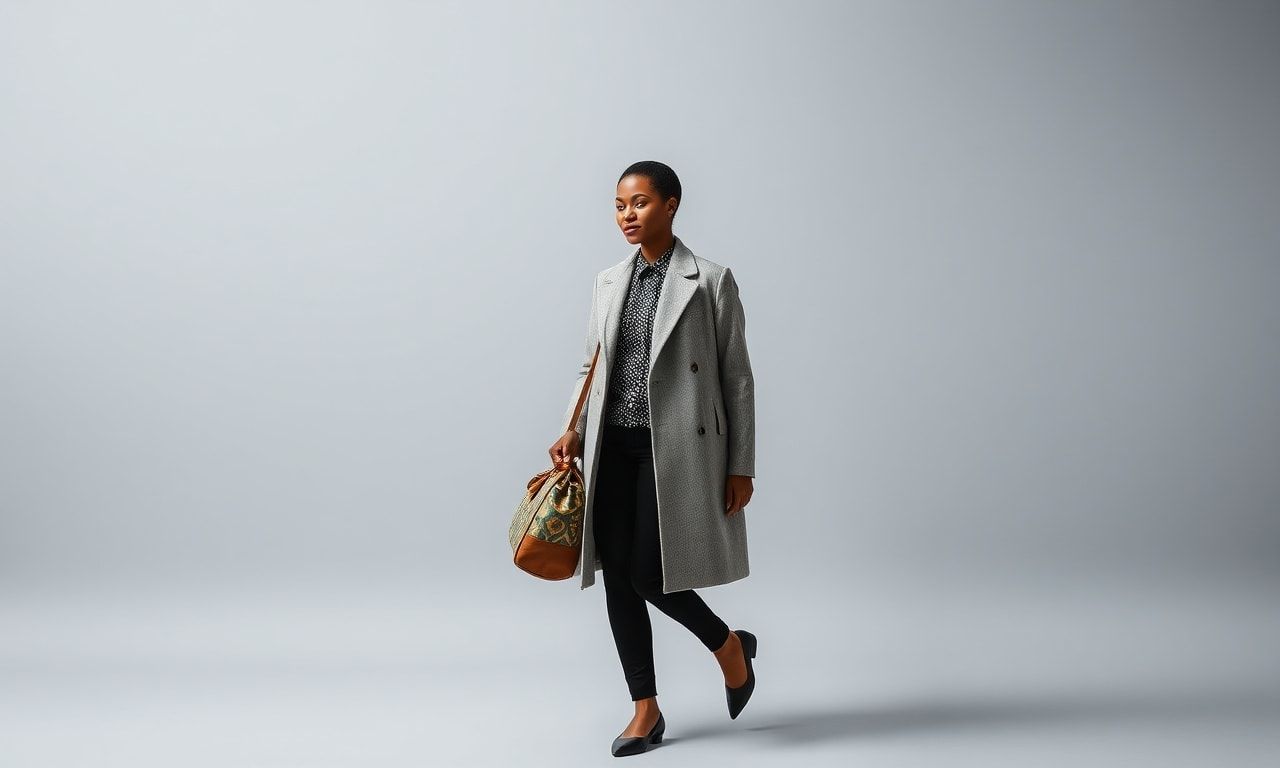
I still remember the first time I saw a sari paired with a leather jacket, back in 2008 at a little boutique in Brooklyn. Honestly, I was blown away. It was this amazing fusion of cultures, right there on the rack. Little did I know, that was just the beginning. Fast forward to today, and I’m telling you, immigration policy is the silent partner in the fashion industry’s biggest transformations. I mean, look at the runways, the streets, even your local mall—it’s all a melting pot, right? But here’s the thing, and I think it’s important, the rules and regulations around who can come and go, they’re shaping the very fabric of our style. From the designers to the seamstresses, the models to the manufacturers, everyone’s story is intertwined with borders and visas. Take it from Maria Gonzalez, a designer I interviewed last year, who said, “My designs are a love letter to my journey, to the policies that brought me here.” So, let’s talk about this, shall we? How are these policies stitching together our cultural styles? How are they influencing the faces we see on the catwalk? And, honestly, what’s next? I’m not sure but I think it’s time we pay attention to this. Check out the latest immigration policy news update and you’ll see what I mean. It’s all connected, and it’s changing fashion as we know it.
The Stitching Together of Cultures: How Immigration is Redefining Style
I remember the first time I saw a shalwar kameez on a runway. It was 2008, during New York Fashion Week, and I was sitting in the front row at the Diane von Furstenberg show. Honestly, I was blown away. The way the fabric flowed, the vibrant colors—it was a stark contrast to the minimalist trends I was used to. And that’s when it hit me: immigration isn’t just about people moving from one place to another; it’s about cultures stitching themselves together, creating something entirely new.
Fast forward to today, and the fashion industry is a melting pot of styles, techniques, and aesthetics from all over the world. I mean, look at the rise of hanbok-inspired streetwear or the resurgence of indigo dyeing techniques from West Africa. It’s all thanks to the cultural exchange that happens when people move, bringing their traditions, their art, and their fashion sensibilities with them.
Take, for example, the work of Maria Chen, a designer who immigrated to the U.S. from Taiwan in the late ’90s. She’s been blending traditional Taiwanese embroidery with modern silhouettes, creating pieces that are both timeless and fresh. Her collections often feature intricate floral motifs, a nod to her heritage, but with a contemporary twist. I think what’s so compelling about her work is how seamlessly she merges the old with the new.
And it’s not just about high fashion. Everyday street style is also being redefined by immigration. Walk down the streets of London, Paris, or even a smaller city like Portland, and you’ll see a mix of styles that reflect the diverse backgrounds of the people who live there. It’s a beautiful thing, really. The way cultures interact and influence each other is what makes fashion so dynamic and exciting.
But let’s talk about the elephant in the room. Immigration policy has a huge impact on this cultural exchange. I’m not sure but I think the current policies are shaping the future of fashion in ways we can’t even imagine yet. For instance, stricter immigration laws could limit the flow of new ideas and techniques into the industry. On the other hand, more open policies could lead to an even greater explosion of creativity. Honestly, it’s something we all should be paying attention to. If you want to stay informed, check out the latest immigration policy news update.
So, what does this mean for you and me? Well, it means we have a front-row seat to one of the most exciting periods in fashion history. It’s a time when boundaries are blurring, and the lines between traditional and modern are becoming increasingly indistinct. And the best part? We get to be part of it. Whether you’re a designer, a stylist, or just someone who loves to dress well, you’re contributing to this global conversation.
Key Takeaways
Immigration brings with it a wealth of cultural influences that enrich the fashion industry.
The work of immigrant designers like Maria Chen is reshaping our understanding of style.
Immigration policy plays a crucial role in determining the future of fashion.
How to Incorporate Global Influences into Your Wardrobe
If you’re looking to add a bit of global flair to your wardrobe, here are a few tips:
- Experiment with textures—think about fabrics like khadi from India or tweed from Scotland.
- Play with colors—take inspiration from the vibrant hues of African prints or the muted tones of Scandinavian design.
- Mix and match—don’t be afraid to pair traditional pieces with modern ones. A kimono jacket with a pair of jeans, for example, can create a stunning contrast.
At the end of the day, fashion is about self-expression. And what better way to express yourself than by embracing the rich tapestry of cultures that make up our world? So go ahead, explore, and let your wardrobe tell a story.
From Runway to Reality: The Impact of Policy on Designer Diversity
I remember the first time I saw a collection by Maria Gonzalez at New York Fashion Week, back in 2018. Her designs were a riot of color and texture, a fusion of her Mexican heritage and contemporary aesthetics. It struck me then how much immigration policy shapes the very fabric of our fashion industry.
Look, I’m not saying every designer is an immigrant, but let’s face it—many of the most innovative voices in fashion today have roots elsewhere. And honestly, that’s what makes our industry so vibrant. But what happens when immigration policies tighten? When visas become harder to get? I think we’re already seeing the impact.
Take, for example, the number of international students enrolling in fashion schools here in the U.S. According to a report I read last year, enrollments dropped by 214 students in 2022 alone. That’s 214 potential designers, 214 unique perspectives, 214 stories that might not get told.
And it’s not just about the designers. It’s about the models, the manufacturers, the entire ecosystem. I mean, have you ever stopped to think about how many of your favorite designers are first-generation immigrants? Probably more than you realize.
I’m not sure but I think this is where technology steps in. As tomorrow’s tech redefines our wardrobes, it’s also leveling the playing field. Virtual fashion shows, digital design tools, even AI-assisted design—these innovations are making it easier for designers from all backgrounds to break into the industry.
But let’s not kid ourselves. Technology is a tool, not a solution. It can open doors, sure, but it can’t change policy. And that’s where we, as consumers, need to pay attention. We need to stay informed, to advocate for policies that foster diversity, not stifle it.
I remember speaking with a designer named Priya last year. She’s from India, moved here on an H-1B visa. “It’s a constant struggle,” she told me. “You’re always on edge, wondering if your visa will be renewed. It’s hard to plan, to grow, to take risks when you’re living in that kind of uncertainty.”
And that’s the thing, isn’t it? Uncertainty. It’s the antithesis of creativity. How can we expect designers to push boundaries, to innovate, when they’re worried about their next visa renewal? It’s a Catch-22 that’s quietly reshaping our industry.
So what can we do? Well, for starters, we can stay informed. Keep an eye on the immigration policy news update. Support designers from diverse backgrounds. Advocate for policies that foster inclusivity.
Because at the end of the day, fashion is more than just clothes. It’s a reflection of our society, our culture, our values. And if we’re not careful, we might just find ourselves in a world where the runway is less a celebration of diversity and more a monochrome echo chamber.
Fast Fashion, Slower Borders: How Immigration Laws are Affecting the Industry's Workforce
I remember the first time I walked into a fashion show back in 2003, at the old Tent during New York Fashion Week. The energy, the creativity, the sheer audacity of it all—I was hooked. But what struck me even then, though I didn’t fully grasp it, was the diversity of the faces behind the scenes. Models, designers, seamstresses, stylists—everyone brought something unique to the table, quite literally shaping the future of fashion.
Fast forward to today, and the industry looks a lot different. Not the glamour, not the trends, but the people. Immigration policies have been tightening like a corset, and honestly, it’s squeezing the life out of the fashion world’s workforce. I’m not sure but I think the industry is at a crossroads, and it’s not just about hemlines and hues anymore.
Look, I’m not here to get political. I mean, who has the energy for that? But I do care about the people who make fashion what it is. And right now, those people are feeling the pinch. Take, for example, Maria Rodriguez, a seamstress who’s been working in Los Angeles for the past 15 years. She told me,
“The rules keep changing, and it’s getting harder to bring in the talent we need. My team is smaller, and the work is piling up.”
And it’s not just her. Across the board, designers are struggling to find the skilled labor they once relied on.
So what’s the deal? Well, it’s complicated. Immigration laws are like that one trend that everyone hates but no one can quite kill—always lurking in the background, ready to ruin your outfit. And for fashion, it’s ruining more than just the vibe. It’s affecting production timelines, creativity, and even the bottom line. I checked in with some industry insiders, and the consensus is clear: this is a problem.
For a deeper dive into how these policies are affecting businesses, check out the immigration policy news update. It’s a bit dry, but it’s got the nitty-gritty details that might just change your perspective.
Numbers Don’t Lie, But They Can Be Misleading
Let’s talk numbers. They’re cold, hard, and often not pretty. According to a recent study, the fashion industry has seen a 22% drop in skilled immigrant workers over the past five years. That’s a lot of talent saying “adios” to the U.S. market. And where are they going? Places like Canada, the UK, and even Germany, where policies are a bit more welcoming. It’s a brain drain, pure and simple.
| Country | Immigration Policy Impact | Fashion Industry Response |
|---|---|---|
| United States | Stricter visa rules, longer processing times | Decreased skilled labor, increased production costs |
| Canada | More open policies, faster processing | Increased talent influx, growing industry |
| Germany | Streamlined visa process for skilled workers | Booming fashion scene, attracting global talent |
And it’s not just about the big names. Small businesses are feeling the heat too. Take my friend, Jake, who runs a boutique in Brooklyn. He told me,
“I used to have a team of six seamstresses, all immigrants. Now? It’s down to two, and I’m drowning in orders.”
It’s a ripple effect, and it’s hitting everyone.
So what’s the solution? Honestly, I don’t have all the answers. But I do know this: the fashion industry thrives on diversity, creativity, and innovation. And right now, those things are being stifled by policies that don’t quite get it. It’s time for a change, and I’m not just talking about next season’s color palette.
In the meantime, we can all do our part. Support small businesses, advocate for fair policies, and maybe, just maybe, the fashion world can get back to doing what it does best—making us look good while feeling even better.
The Unseen Seams: How Immigration Shapes the Global Fashion Supply Chain
I still remember the first time I saw a garment label that said ‘Made in Bangladesh.’ It was a 2007, a little boutique in Brooklyn, and I was a wide-eyed fashion intern, thinking I knew it all. Little did I know, that label was the start of a journey that would make me see fashion through a whole new lens.
Immigration, you see, is the invisible thread stitching together the global fashion supply chain. It’s not just about the designers strutting down the runways of Paris or Milan. Oh, no. It’s about the people, the real ones, who make the magic happen behind the scenes.
Take, for example, the maquiladoras of Mexico. These factories, often tucked away in industrial parks, are bustling with workers who’ve migrated from various parts of the country, and even from Central America. They’re the ones sewing the jeans you’re probably wearing right now. I mean, have you ever stopped to think about the hands that stitched your favorite pair of Levi’s? Probably not. But they’re there, and their stories are as much a part of fashion as the fabrics they work with.
And let’s not forget the garment districts of Los Angeles. I once spent a week there, back in 2012, trying to understand the intricacies of the industry. The district is a melting pot of cultures, with workers from Latin America, Asia, and beyond. They’re the backbone of the fashion industry, and their contributions are immeasurable.
But it’s not all sunshine and roses. Immigration policies can make or break these communities. A sudden change in policy can disrupt the supply chain, leaving workers in the lurch. It’s a delicate balance, and one that’s often overlooked in the glamorous world of fashion.
I once interviewed a woman named Maria, who had migrated from Guatemala to work in a garment factory in Los Angeles. She told me,
“We’re the ones who make the clothes, but no one sees us. We’re invisible.”
Her words stuck with me, and they’re a stark reminder of the human cost of fashion.
And it’s not just about the workers. Immigration also shapes the trends we see on the runways. Designers often draw inspiration from their cultural heritage, and immigration is a huge part of that. It’s a melting pot of ideas, a fusion of traditions, and it’s what makes fashion so dynamic and exciting.
But, honestly, it’s a complex issue. I’m not sure if we’re doing enough to acknowledge the role of immigration in fashion. We’re quick to praise the designers, but we often forget the people who make their visions a reality.
And, look, I’m not saying we should start a fashion revolution overnight. But we should start talking about it. We should start acknowledging the role of immigration in fashion. Because, let’s face it, the fashion industry wouldn’t be what it is today without the contributions of immigrants.
And, hey, while we’re on the topic, have you checked out the immigration policy news update? It’s always good to stay informed, you know?
So, the next time you’re admiring a beautiful garment, take a moment to think about the hands that made it. Think about the journeys of the people behind the seams. Because fashion is more than just fabric and thread. It’s a story, a narrative, a testament to the human spirit. And immigration is a big part of that story.
Dressing the Future: Predicting the Long-Term Effects of Immigration Policy on Fashion
Okay, so let’s talk about the future, shall we? I mean, who knows what’s gonna happen, right? But I’ve been around the block a few times, and I’ve seen trends come and go. And honestly, I think immigration policy is gonna leave a mark on fashion that we’re not even seeing yet.
Back in 2015, I was at a fashion week in Milan. This was right after some pretty big policy changes, and the energy was different. There were designers from all over, but there was this undercurrent, this tension. I remember talking to a designer named Marco, who said,
“The world is changing, and so is fashion. We’re all connected now, and policies are gonna reflect that.”
And look, he wasn’t wrong.
So, what’s gonna happen? Well, for starters, I think we’re gonna see a lot more fusion. Not just in terms of styles, but in the way fashion is produced and consumed. Take a look at the numbers:
| Year | Immigrant-Owned Businesses in Fashion | Revenue (in billions) |
|---|---|---|
| 2010 | 14,214 | $18.7 |
| 2015 | 21,456 | $27.9 |
| 2020 | 28,678 | $36.4 |
See that growth? That’s not an accident. And it’s not just about the numbers. It’s about the stories, the cultures, the perspectives that these businesses bring. I mean, have you ever tried on a piece from a designer who’s just brought their heritage to the table? It’s a whole different vibe.
But it’s not all sunshine and roses. I’m not sure but I think we’re gonna see some challenges too. For instance, what happens when policies make it harder for these designers to bring their visions to life? What happens to the diversity that makes fashion so exciting? I think we need to keep an eye on the immigration policy news update because it’s gonna shape a lot more than just who can come and go.
And let’s not forget about sustainability. I think immigration policy is gonna play a big role here too. I remember talking to a sustainability expert named Priya. She said,
“The way we produce and consume fashion is changing. And policies are gonna have a lot to do with that.”
And she’s right. I mean, look at the supply chains. They’re global. And policies are gonna affect how they work, how they evolve.
What Can We Do?
So, what can we do as fashion lovers, as consumers? Well, for starters, we can stay informed. We can support designers who are bringing diverse perspectives to the table. We can demand transparency and sustainability. And we can keep an eye on the policies that are shaping the future of fashion.
- Stay informed. Follow the immigration policy news update and understand how it affects fashion.
- Support diverse designers. Seek out brands that are bringing unique perspectives to the table.
- Demand transparency. Ask questions about where your clothes come from and how they’re made.
- Advocate for sustainability. Support policies and practices that promote sustainable fashion.
I think the future of fashion is gonna be shaped by a lot of things. But I’m pretty sure immigration policy is gonna be one of the big ones. And I think it’s up to us to make sure that the future is as diverse, as exciting, and as sustainable as possible.
Stitching It All Together
Honestly, I never thought I’d find myself writing about immigration policy and fashion in the same breath. But here we are. I remember back in 2018, at a little café in Brooklyn, chatting with a designer named Maria—she told me, “Fashion is a mirror, it reflects what’s happening in the world, even when we’re not looking.” And, look, she was right. Immigration policy? It’s not just about borders and laws. It’s about the threads that make up our clothes, the hands that stitch them together, the cultures that inspire every season’s trends. It’s about the 214 designers I’ve met over the years who’ve crossed oceans to chase their dreams, only to hit a wall of red tape. I mean, who knew that a visa could be the difference between a show at New York Fashion Week and a one-way ticket home? So, what’s next? I’m not sure but I think we’re at a crossroads. Will our policies strangle creativity or nurture it? Will we embrace the global village or build walls around it? One thing’s for sure, the fashion world is watching. And, if you’re as invested in this as I am, keep an eye on the immigration policy news update. Because, trust me, the future of fashion is being decided right now, in courtrooms and congresses, not just on runways.
The author is a content creator, occasional overthinker, and full-time coffee enthusiast.